
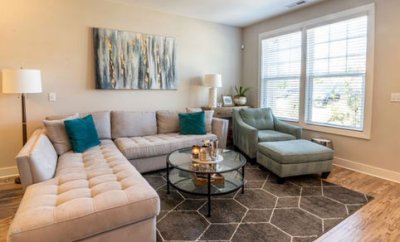
Last month, a couple met in Anchorage and shared that they visited an open house at a newly opened active adult community on the Eastside. What caught their attention after living in a single-family home with a large yard for nearly 30 years was the explanation that the management company would handle snow removal and roof maintenance. In Anchorage, where winters are long, this detail is more significant than it might seem.
In fact, it's essential to consider heating and electricity costs. In the Railbelt region, which includes Anchorage, electricity rates are around 22 cents per kilowatt-hour. Compared to the Alaska state average of 28.23 cents, Anchorage is relatively affordable. However, many households rely on natural gas for heating rather than electricity, and gas prices vary from $0.90 to $2.80 per therm depending on the area. The average monthly utility expenditure per household, combining electricity, gas, water, and internet, is reported to be $455.
This means that maintaining a single-family home incurs this amount as a fixed cost each month. In contrast, condos or townhomes have smaller individual heating areas, and significant repairs like roofing and plumbing are handled by the HOA (Homeowners Association), which reduces unexpected expenses. However, it's important to consider that this comes with a monthly HOA fee.
Recent reports from Alaska Public Media indicate that due to high electricity rates, switching to heat pumps does not yield significant savings. The low cost of natural gas means there is little incentive to switch to electric-based heating and cooling. Therefore, whether it's a single-family home or a condo, it seems prudent to check if the property has existing gas lines and what the current heating method is. Families moving from other states might overlook this aspect, but unlike the mainland, the heating method here is a key variable that affects monthly fixed costs.
When looking at sale prices, the gap between single-family homes and condos is clear. The average price for a single-family home in Anchorage is around $510,000, while condos are priced at about $276,450. The difference exceeds $230,000. For households considering downsizing after retirement, it's worth calculating how this difference could contribute to retirement funds.
Property taxes cannot be overlooked either. The effective tax rate in the Anchorage borough is 1.29%, with the median property tax bill being $4,865 annually. It's helpful to be aware of the Senior Exemption program operated by the Anchorage borough. Homeowners aged 65 and older who own and reside in their primary residence can exempt up to $150,000 of the assessed value from taxation, resulting in a potential annual savings of up to $2,709. If a spouse was eligible for this benefit, widows or widowers aged 60 and older can also apply. However, the condition is that they must have lived in Alaska for the previous year. For example, if a home is assessed at $400,000, applying this exemption means only $250,000 would be subject to taxation. The application deadline is March 15 each year.
Ultimately, whether to continue living in a single-family home in Anchorage or move to an active adult community or condo will depend on heating methods, maintenance burdens, and eligibility for the Senior Exemption. Especially for families newly relocating from Korea, in areas like Anchorage where heating costs are significant, it's advisable to develop the habit of factoring in monthly utility expenses rather than just looking at sale prices when budgeting. Property taxes and HOA policies may vary according to local ordinances, so it's best to check directly with the borough's property assessment office before applying. This article does not constitute investment or legal advice, and it is recommended to consult a real estate professional before any transactions or applications.
 WindLunch
 bluestylecreator1986








 Sugar Cream Door Bulletproof Noodles |
 urbanmint |
 |
| 
 Premium Gas Camp |
 CA Real Estate |
 Sunny's Travel in America |
 Alaska Salmon Buyer |
 AL ALASKA |

 Information on Area Codes in the Americas |
  Stable Co. |
  Purple Moons, |
  International Court |
  roma |
  horse |
  moodansa 77 |
  zymit |
  maplefox |
  Fun Flex Life |
  hopeful |
  Reeno |
  Coastal city |
  meonetoo |
  Winter bear |
  Peach Jam Eating Laughter |
  Nando Raldo |
  American Man in a Mask |
  wendra |
  silver |
  bada2002 |