

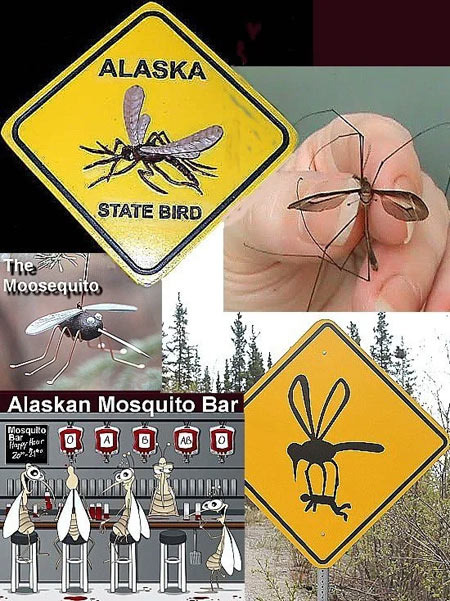
If you thought Alaska was cold year-round and that there would be no bugs, you are mistaken.
Many visitors are shocked by the overwhelming number of mosquitoes when they arrive unprepared for summer in Anchorage.
Alaska's mosquitoes are notorious among locals.
From June to August, especially near wetlands or humid forest trails, the swarms of mosquitoes can be immense.
When heading out for a light trail hike in places like Chugach State Park, going without insect repellent can lead to a miserable experience of being bitten all over. For this reason, insect repellents containing strong DEET are considered essential for outdoor activities in Alaska during the summer.
Another challenge in Anchorage during the summer is the cottonwood fluff phenomenon. There is a time when the common cottonwood trees release large amounts of white fluff, primarily concentrated in June. When the wind blows, it can look like snow falling in winter, which may seem quite romantic to first-time observers.
However, for those with pollen or dust allergies, this can be a difficult time. Continuous sneezing, runny noses, and itchy eyes can occur, and for those with asthma, symptoms may worsen, so it is advisable to reduce outdoor activities or wear a mask during this period.
Additionally, it is good to be aware of the tick problem that has been gaining attention in Alaska. According to the Alaska Department of Health, historically, deer ticks that carry Lyme disease have not been reported to infect people within Alaska.
However, due to recent external introductions and climate change, there is a trend of observing non-native tick species, and the introduction of the moose winter tick, which causes severe hair loss and anemia in wild moose, is being closely monitored. Fortunately, moose ticks rarely bite humans, but it is wise to develop a habit of checking and brushing off any ticks from your clothes and body after walking through grass or trails.
Also, there are no snakes in Alaska. In fact, this is a good thing.
Alaska is the only state in the U.S. where not a single wild snake lives.
As cold-blooded animals, snakes cannot regulate their body temperature and must rely on external heat sources. However, Alaska's winters are too long and harsh, and the summers are too short for snakes to breed and survive. Not only snakes but also land reptiles like lizards and turtles are completely absent.
So, as long as you avoid indiscriminate contact with wildlife and follow basic health precautions, there is no need to be overly concerned.
However, summer in Anchorage definitely brings the challenges of mosquitoes and cottonwood fluff, alongside the awe of nature.
If you are planning to travel or move to this area, be sure to prepare thoroughly with insect repellent and allergy medications to ensure a smooth start to your local life.
 Student
 SunsetZone
 JellyFishery




 Churros Train Conductor |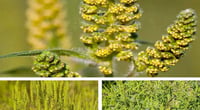
 Tora Tora |
 neroyo |
 nivex85 |
 Old English |
 AL ALASKA |
 Sunny's Travel in America |

 Information on Area Codes in the Americas |
  vexo90 |
  As Always Today |
  veltar87 |
  United States National Administrative Organization Stories |
  springwaltz |
  dense |
  Tiger Milk Foam Research Institute |
  Oreore Mushroom |
  optimistic |
  Good Good |
  berion88 |
  bravo777 |
  skyblue |
  Project Tomorrow |
  apricotla |
  Soy Angelino |
  nati8 |
  NE Hodori Preik |
  washington mom |
  celtics |