
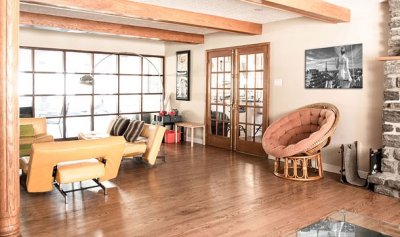
A reader came to learn more after hearing from a tax advisor that utilizing depreciation can reduce the tax burden on investment properties. Recently, inquiries about this have been particularly common regarding Jacksonville properties. Depreciation is a system that allows a portion of the building's value to be recognized as an expense each year based on the useful life of residential rental properties recognized by the IRS, making it understandable that investors are interested since it can reduce taxable income without actual cash outlay.
However, choosing properties based solely on depreciation is an inverted approach. The first thing to check is how the rental market is actually moving. According to RentCafe, the average rent in Jacksonville is $1,517, while another research agency, Zumper, reports it as $1,575 as of July 2026, and Zillow lists it at $1,600, showing some variation depending on the source. Regardless of which figure is used, Jacksonville maintains a rent level lower than the national average, indicating a relatively low barrier to entry in the market.
When discussing tax benefits, property tax must also be addressed. The maximum millage rate for Duval County for the 2026 fiscal year is frozen at 11.1919, and the overall effective tax rate, including school districts and special districts, is around 0.98 percent. It is important to note that the Homestead Exemption, which allows for a deduction of up to $51,411, applies only to the homeowner's primary residence and does not apply to investment properties. One should not confuse the ability to reduce income tax through depreciation with a reduction in property tax.
Florida also has distinct characteristics regarding rental laws. Florida state law prohibits counties and cities from setting their own rent caps, meaning there is no rent control in any area of Florida, including Jacksonville. The absence of a legal cap on rent increases suggests that there is potential to reduce taxes through depreciation while simultaneously increasing rental income.
Loan conditions follow national common standards. For investment properties, the down payment is higher, ranging from 15 to 25 percent compared to owner-occupied properties, and a credit score of 740 or higher is needed to secure favorable rates. Lenders only recognize up to 75 percent of expected rental income as income, so this should be considered when calculating loan limits.
During the operational phase, one must plan for landlord insurance, management fees ranging from 8 to 12 percent of rent if outsourced, and setting aside about 1 percent of the asset value annually for maintenance costs to achieve actual net income. If there are plans to sell this property and switch to another investment property in the future, it is also worth considering the option of deferring capital gains tax through a 1031 exchange, separate from the tax benefits accumulated through depreciation.
Jacksonville spans not only Duval County but also St. Johns and Clay counties, so even properties within the same Jacksonville area may have different property tax rates depending on the county they belong to. It is essential to verify the exact county and tax rate before purchasing.
Depreciation is an item that must be reported annually, so missing the first-year report can complicate future accounting. It is advisable to work with a tax advisor to separate the building value from the land value at the time of purchase.
Jacksonville is divided into several living areas along the St. Johns River, so even within the same city, rental demand and purchase price trends can vary by region. It is also worth noting that choosing properties with a higher building proportion can maximize the benefits of depreciation.
Depreciation, property tax, and rental laws are different layers of discussion, but they ultimately determine the actual return on investment for a single rental property. This article is not tax or legal advice, and details related to the application of depreciation should be confirmed with a tax advisor.
 JerryPayCard








 |
| 
 Premium Gas Camp |
 CA Real Estate |
 cheesepup |
 breezem |
 Good Good |

 Mia Flori |

 Cap Com |
  nixxon |
  kevin Kim |
  beerdreamer |
  Kims Spring |
  White bunny |
  Kansas City Representative Singer |
  shadow 007 |
  sun walker |
  Choco Choco Star |
  midnight blue |
  honeypot |
  summer |
  adventure77 |
  flexible |
  Shintongbangtong Shin Naerin James Park |
  truepixel |
  Kathy's Blog |
  Hae Naem |
  quatspace |