

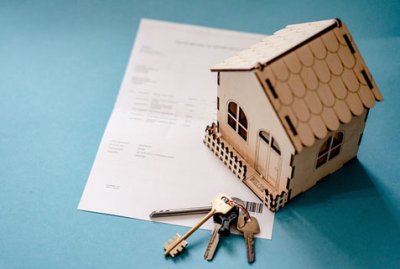
The median sale price in Cleveland rose to $142,000 as of May 2026, a 5.9% increase compared to the same period last year, according to Redfin's data. During the same period, the median listing price reached $149,900, up 7.1% from a year ago, contrasting with the national average listing price, which has actually decreased.
However, looking at Zillow's ZHVI, a different picture emerges. As of May 31, 2026, the average home value in Cleveland was $120,549, down 2.3% from a year ago. While the median sale price is rising, the average value reflecting the overall inventory has decreased, which can be interpreted as a change in sample composition, such as an increase in the proportion of lower-priced listings or a relative increase in high-priced transactions.
Inventory increased by 14.6% compared to the previous year as of March 2026, more than double the national average increase of 6.2%. Recent data shows that the supply is at 0.97 months, still below one month, but new listings are gradually coming onto the market, with 266 new listings this month alone. The selling period has shortened to 54 days as of March, a 6.1% decrease from a year ago, and it dropped to 47 days in May.
In a market where prices are rising alongside increasing inventory, three factors need to be considered. First is the specific area where the listings are located, as Cleveland has significant price variations by neighborhood, making it difficult to judge based solely on the citywide average. Second is the age and maintenance history of the properties. Relatively low sale prices may be offset by the costs of replacing aging plumbing or roofs in older homes. Third is Ohio's unique property tax reassessment cycle, which varies by county.
Cleveland's low entry price compared to other major cities in Ohio, New York, or California is seen as a strength. This lower barrier to entry attracts both families relocating from other states and rental investors.
Korean families looking in the Cleveland suburbs often pay attention to school districts like Solon or Beachwood. Ratings can be checked on GreatSchools or Niche, and it's advisable to verify assigned schools based on the address before signing a contract.
Low sale prices often favor calculations of cap rates and the 1% rule, making them attractive to rental investors. However, a lower sale price also suggests that rental rates may be lower, so it's essential to calculate cash-on-cash returns with actual numbers.
Families relocating to Cleveland from other states should also be aware that Ohio's income tax structure may differ from their previous residence. If they are coming from a place with no state income tax, this could feel unfamiliar, so it may be helpful to calculate take-home pay based on their pay stubs in advance.
Compared to rental prices, Cleveland often shows higher cap rates due to lower purchase prices. However, in such areas, vacancy periods and tenant management costs should be conservatively estimated to avoid overestimating actual returns.
Even in areas like Cleveland where inventory is increasing, the market is not entirely free from the lock-in effect. However, since the sale prices are low, there is relatively less incentive to maintain existing loans, which may explain the faster recovery of inventory compared to other major cities. As of July 2026, the average 30-year fixed mortgage rate is around 6.6% according to Freddie Mac's PMMS, which is relatively less burdensome in a market with lower sale prices.
Cleveland is a market where both median prices are rising and inventory is increasing, making it cautious to summarize the direction in one phrase. Please check area-specific data separately and approach accordingly. This article is not investment or legal advice, and consulting with a professional before any actual contracts is recommended. The data is based on information from Redfin and Zillow between March and May 2026.
 PastaPilot
 IllinoisPark







 cheesepup |
 breezem |
 yentra |
 virex |
 vexon87 |
 solid90 |
 lidus |
 uplifted |

 Gleeee |
  hazelnut |
  Korean News American Blog |
  AH LALA |
  Savion |
  pintos |
  Good Good |
  oh my salami |
  Lemonade Cider Planning Director |
  Way to easy |
  American Hardcore Band |
  Dala Dala |
  Pointy |
  Springs Korea |
  nixon |
  mini hometown |
  MacMorningBlog |
  ASURA |
  Elastico |