
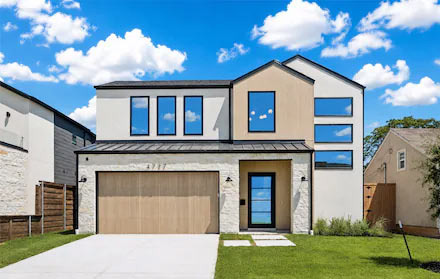
Recently, a family came in for a consultation.
They were renting an apartment in Dallas and one day, while calculating their monthly rent, they thought,
"Wouldn't it be better to pay a mortgage with this amount of money?"
This is a question that you hear quite often if you live in Dallas for a long time. However, just because the rent is $2,000 and the estimated mortgage is also $2,000, it doesn't mean they are the same.
When you buy a house, in addition to the principal and interest on the mortgage, you also have to pay property taxes and homeowners insurance.
If it's a place with an HOA, you also have to pay management fees, and if the air conditioning or roof breaks, you have to pay to fix it out of your own pocket.
So, one of the numbers to consider when comparing whether to buy or rent is the Price-to-Rent Ratio.
The calculation is not difficult. You divide the home price by the annual rent.
Based on data from 2026, the typical home value in Dallas is about $312,000, and the average rent is around $1,592 per month.
With an annual rent of about $19,000, the calculation gives you around 16.
Generally, if this number is below 15, it's a bit more favorable to buy a home, if it's between 15 and 20 it varies depending on the situation, and if it's above 20, renting is relatively more advantageous.
By that standard, Dallas currently leans slightly towards buying a home, but it's not an overwhelmingly favorable market for either side.
What's more important is how long you plan to stay.
If you might change jobs or move to another city within the next 2-3 years, renting might be more comfortable.
Buying a home also incurs closing costs, and there are costs when you sell later.
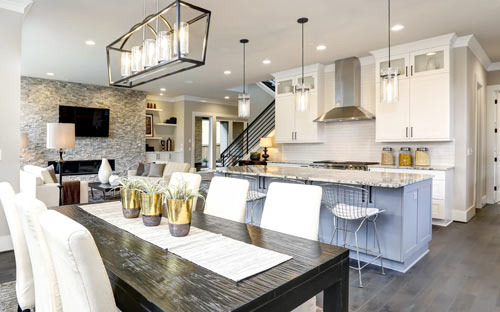
On the other hand, if you have a specific school district in mind and plan to live there for more than 5 years, it might be worth seriously considering buying a home.
The down payment is also important. It's great if you can put down 20%, but if you put down less, conventional mortgages may require PMI, which is an additional mortgage insurance premium.
So, if you just look at "the rent and mortgage are similar," buying a home could lead to actual monthly expenses being much higher than expected.
In Texas, you especially cannot overlook property taxes.
Some people hear that there's no state income tax and think Texas is a low-tax place, but owning a home changes that story.
In Dallas, the burden of property taxes can be significant depending on the home price and area.
And these days, the rental market situation cannot be ignored.
Some apartments offer promotions like one month free, a few weeks free, or deposit discounts. This is to provide benefits to attract tenants.
So, if you don't have enough for a down payment yet, there's no need to rush and think, "I need to buy a house quickly because I'm wasting money on rent."
It's also a strategy to rent for another 1-2 years under good conditions while saving cash and managing your credit score, then wait for listings in your desired neighborhood.
Conversely, if you already have your down payment ready and have a specific school district in mind, now is a time when the adjustment in home prices could provide an opportunity for negotiation from a buyer's perspective.
Ultimately, the criteria for deciding between renting and buying in Dallas is surprisingly simple.
Instead of asking, "Is the rent a waste of money?" you should first ask, "How many years do I plan to live here, and will I have enough emergency funds left after buying a home?"
When you can confidently answer those two questions, it's not too late to buy a home.
 SHIN312
 ANSLO
ANSLO




 Sugar Cream Door Bulletproof Noodles |
 urbanmint |
 |
| 
 Premium Gas Camp |
 CA Real Estate |
 xylora |
 Aura-Infused WACAM |

 SWAT TEAM BLK |
 Texas Migration Story |
  UCLA Captain |
  lattecu |
  dynamite |
  frostingline |
  Hakuna Matata |
  Your Curiosity Resolved |
  Way to easy |
  Chino Min |
  nexabyte |
  moonshine 7 |
  Sunset Oregon |
  victoria 68 |
  golfmaster |
  Montgomery Mom |
  squidogame |
  Noodle Noodle |
  Rhode Island Good People |
  Big North |
  Famous Attractions in the United States |
  Jin Soo V |