
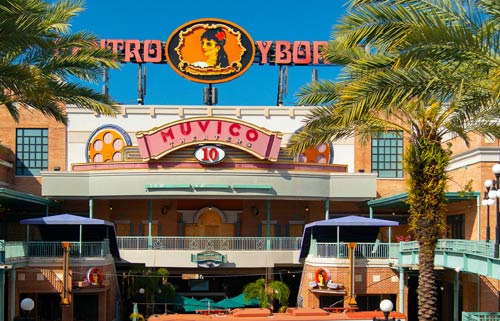
When you take first-time visitors to Tampa to Ybor City, they often react with surprise. When you think of Florida, you usually picture palm trees, beaches, and newly built condos.
However, once you enter Ybor City, the atmosphere changes dramatically. You see old red brick buildings and balconies, and the streets are filled with traces of Cuban and Spanish culture.
To truly understand Tampa's history, you need to start with Ybor City. This area was established in the 1880s when cigar manufacturer Vicente Martinez Ybor set up a factory in Tampa. He determined that Tampa's warm, humid climate, along with its railroads and port, was ideal for cigar production.
As the factory opened, a large number of Cuban cigar workers migrated here, along with Spanish and Italian immigrants. At that time, cigars were rolled by skilled workers by hand, not by machines, so a significant workforce was needed. As a result, worker housing, shops, restaurants, and clubs sprang up around the factory, creating a massive immigrant city.
During its heyday, numerous cigar factories operated in Tampa, producing an enormous quantity of cigars. This is why Tampa is still nicknamed Cigar City today. Long before Tampa became known as a financial, medical, and tourism hub, the cigar industry sustained its economy.
Walking through Ybor City, you can still see those traces today. The center is 7th Avenue, known in Spanish as La Séptima. Between the old buildings, restaurants, cafes, cigar shops, bars, and clubs line the streets, creating a completely different atmosphere during the day and night.
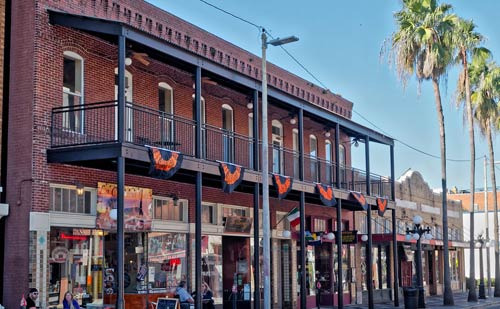
During the day, it's great for a leisurely stroll while admiring the historic buildings, but on Friday and Saturday nights, it transforms into a vibrant nightlife district.
A must-visit spot here is the Columbia Restaurant. Opened in 1905, it has a rich history of over a century. It's famous for its food influenced by Cuban and Spanish cuisine, and there are nights when you can enjoy flamenco performances, making it a worthwhile stop for visitors to Tampa. More than just an old restaurant, it serves as a place that showcases the immigrant history of Ybor City.
If you want to learn more, the Ybor City Museum State Park is also worth a visit. After understanding the lives of the old cigar workers and how the area developed, walking the streets again will make the old buildings look completely different.
Interestingly, Ybor City was not originally created as a tourist destination. It was a living space where people actually worked and lived, blending language, food, music, and culture. This is why it feels distinctly different from other Florida tourist spots.
I would recommend that first-time visitors to Tampa not just see the beach but spend at least half a day in Ybor City. During the day, explore the museums and streets, check out the old cigar shops, and in the evening, have a meal at Columbia. After that, you'll start to see that Tampa is not just a warm Florida city, but a place that has been shaped by various immigrants over more than a century.
 NOCAP
 DreamTrail91






 Yo Lock Me Up |

 Rice Shop Uncle BLOG |

 My Town My Way Blog |

 Arizona AZ Cowboy |

 Valley Hong |

 Living in Florida |

 My Two Way |

 Tamfa Fan |

 Splendid Mission |
 sunnyvale |
 Podongi Dad Blog |
 nexium |
 Washington Monument |
 dynamic |
 Key spots |
 berrypup |
 Oh my Julia |
 bibigoo |
 silents |
 Team Korea Psychoanalysis Research |
 North Dakota Ragdoll Cat Owner |
 El Dorado |
 Cap Com |
 Trot King News |
 Blondee |
 some fame |
 rapidfire |
 walnutbo |