
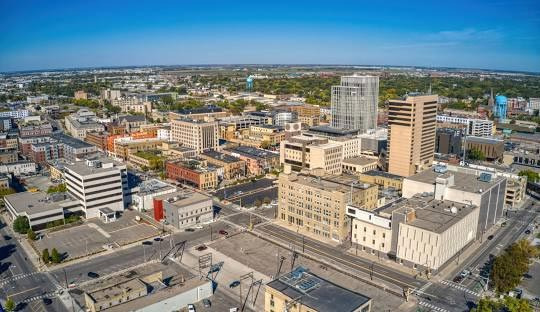
Fargo is the largest city in North Dakota, boasting a rich history, a growing economy, and a vibrant community. This city combines the conveniences of a metropolitan area with the warm atmosphere of a small town, establishing itself as an important hub in the Midwest.
1. Overview of Fargo
- Population: Approximately 120,000 (as of 2023)
- Location: Located in eastern North Dakota, bordering Minnesota
- Features:
- Situated near the Red River, it has developed as a center for logistics and agriculture.
- Home to North Dakota State University (NDSU), serving as a center for education and research.
- Experiences unique four seasons with harsh winters and warm summers.
2. History of Fargo
Early Settlement:
The Fargo area was originally the land of the Sioux tribe, and European settlers began to arrive in the mid-19th century.Railroad and City Growth:
In 1871, the Northern Pacific Railway passed through Fargo, marking the beginning of the city's development. It emerged as a center for agriculture and trade, becoming a major city in North Dakota.Modernization:
In the late 20th century, Fargo grew further with industrial diversification and advancements in education and culture. Today, it is making strides in various fields such as technology, healthcare, and agriculture.
3. Major Attractions and Tourist Sites
- Fargo Theatre: A retro Art Deco style theater built in 1926, it is a venue for independent films and performances.
- Red River Zoo: A family-friendly place to see rare animals, especially popular for its winter wildlife exhibits.
- Fargo Air Museum: A place to encounter various aircraft displays and historical flight stories.
- Bonanzaville USA: An outdoor museum that offers a glimpse into the region's history and culture.
4. Economy and Major Industries
- Agriculture: Fargo is located in the fertile Red River Valley, making grain production and agriculture the backbone of its economy.
- Technology: In recent years, the technology and startup industries have rapidly grown, creating new economic momentum.
- Education: NDSU is a major employer in Fargo, significantly impacting the city's development in education and research.
5. Climate
- Winter: Cold with heavy snowfall, average temperatures range from about -2°F (-19°C) to 18°F (-7°C).
- Summer: Warm and pleasant, average temperatures range from about 59°F (15°C) to 83°F (28°C).
- Annual Precipitation: About 24 inches (610mm), mostly concentrated in spring and summer.
6. Living and Community
- Education: Fargo has excellent public schools and universities, providing a great educational environment.
- Cost of Living: Fargo offers lower housing prices and living costs compared to larger cities, allowing for a comfortable lifestyle at a reasonable cost.
- Community: Active festivals and events, along with a friendly neighbor culture, make the city even more attractive.
7. Transportation and Accessibility
- Hector International Airport: The main airport connecting Fargo to the outside world.
- Car: Well-developed roads make it convenient to travel by car.
- Public Transport: MATBUS connects major areas within the city, providing an affordable and efficient transportation option.
Fargo is a city where history and modern conveniences harmonize, continuously growing through various industries, education, and culture. It is a wonderful city to live in and visit, where you can enjoy all four seasons and experience a vibrant community.




 persiste |
 buddydakota |
 North Dakota Ragdoll Cat Owner |
 My Love Sandra |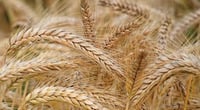
 American National Singing Contest |
  forevergee |
  festival |
  manchester |
  constant |
  Leapfrog Move |
  vibranto |
  Tora Tora |
  yellowbutter |
  Dolly |
  US Embassy |
  NYC saladbar |
  Finding Superfoods |
  lightyear |
  song bang |
  vexomo |
  Indiana Jones |
  meloncat |
  novapixel |
  mortrix |
  Esther 1983 |