

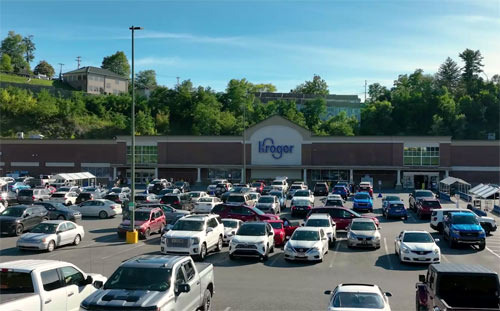
The cost of living index in Morgantown, West Virginia is 88, which is 12% lower than the national average of 100.
It is notable that a college town like Morgantown, home to West Virginia University (WVU), maintains this level. The low cost of living is also a result of the transition from a coal-based economy to one focused on education and healthcare. Housing and grocery costs are significantly below the national average, providing a financially favorable structure for households looking to reduce fixed expenses.
Looking at housing costs first, the estimated rent for a one-bedroom apartment in Morgantown is around $1,000 per month. This is about half of the national average ($1,500 to $2,200) and reflects a level that includes some premium for being a college town compared to Charleston (the state capital, with a cost of living index of about 84). The median home price is around $200,000, classifying it as a market with a lower entry burden compared to nearby cities like Pittsburgh (about 70 miles away) or Clarksburg.
Grocery costs are estimated at around $900 per month for a family of four, placing it at the lower end of the national average (around $1,200). West Virginia has a policy of not imposing sales tax on groceries (with some exceptions), which effectively lowers the actual spending on groceries compared to other states. Utilities are relatively inexpensive due to good access to natural gas in the area, with average monthly heating costs estimated at around $200.
In terms of transportation, Morgantown has a unique feature. A personal rapid transit system (PRT) operates to connect the WVU campus, helping students and staff move between locations. Urban mobility is highly dependent on vehicles, with monthly vehicle-related costs expected to be around $550. The nearby Pittsburgh airport is about 70 miles away, providing access to a major airport.
Looking at West Virginia's tax structure, the state income tax has a top rate of 6.5% (with gradual reductions planned for 2024), and the sales tax is 6%. It is not particularly advantageous or disadvantageous compared to the national average, but when combined with the low cost of living, it tends to result in a higher real disposable income. Property taxes are relatively low in West Virginia, contributing to a lower burden of homeownership costs.
From the perspective of the Korean community, Morgantown is quite small. Korean students attending WVU tend to be the backbone of the community, and it is relatively difficult to find Korean markets or restaurants. There are Korean markets and churches in Pittsburgh (about 70 miles away), and it seems that some households maintain a pattern of visiting once or twice a month. This environment is more suitable for short-term study or research stays rather than family relocations.
The index of 88 in Morgantown clearly shows numerical advantages in terms of cost savings. However, factors beyond cost, such as the diversity of economic opportunities, Korean infrastructure, and access to major cities, should also be considered. There is a growing trend of people choosing to live in Morgantown, where the cost of living is low, while working remotely from nearby cities like Pittsburgh or Washington D.C. Numerically, it is certainly an advantageous city, and the decision may vary depending on the desired lifestyle.
 SunnyGarden86
 DdoliSquad







 Premium Gas Camp |
 CA Real Estate |
 cheesepup |
 breezem |
 yentra |
 silver |
 Gomex Korea |
 Freedom Yea |
 diamondo |
  Let's Be Like a Salt-like City Person |
  Belgray Miscellany |
  sweetvan |
  Augusta Univ |
  Round and Round Children's Song Kingdom |
  butter 90 |
  Lando Mao |
  Washington Denzel DJ |
  LIZ Legal Information Blog |
  vegas mom |
  Sandiego Auntie |
  Things to know |
  TEXAS Fishing Boat |
  AUTO OK |
  aaoaa |
  Florida King |
  Encyclopedia of New York and Surrounding Areas |
  Study Abroad Life Know-How Tips |
  Conflite Teacher |