
When shopping in Albuquerque, you can notice that the prices for the same grocery items are about 70-80% of what friends in California mention.
As the largest city in New Mexico, Albuquerque has a cost of living index of 94, which is estimated to be about 6% lower than the national average (100). While it may seem like a small number, when calculated for a family of four, it results in a difference of thousands of dollars annually, making the practical impact quite significant.
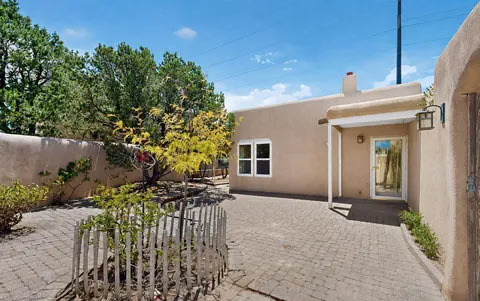
Looking at housing costs first, the average rent for a one-bedroom apartment in Albuquerque is around $1,150 per month. Considering that the national median rent is between $1,500 and $2,200, this is relatively low. The median home sale price is also around $300,000 to $400,000, which is still lower compared to Denver (COL 120) or Phoenix (COL 103). Notably, the western North Valley and eastern Foothills areas are known for offering reasonable rents along with relatively spacious units.
Grocery costs tend to be 5-8% lower than the national average. Major supermarket chains like Smith's and Walmart Supercenters are widely available, providing a variety of options and a competitive pricing market, which is advantageous for consumers. For a family of four, maintaining a monthly grocery budget of around $600 seems realistic. However, it's worth noting that there are not many Korean grocery stores, so some may travel to nearby cities like Phoenix or Albuquerque for shopping.
In terms of transportation costs, public transit infrastructure is limited compared to other major cities, making car ownership essentially necessary. Gas prices are slightly higher than in Texas but definitely cheaper than in California or New York. Planning for monthly transportation costs (gas + insurance + maintenance) at around $400 is a common estimate, which is also on the lower end compared to the national average (~$500). The city is designed around cars, so adjusting commuting distances can help reduce fuel expenses.
Utilities (electricity, gas, water) are around $200 per month, which is on the lower end of the national average (~$300). However, New Mexico's high altitude and abundant sunlight lead to significant cooling demands in the summer, and heating costs also arise in the winter. It's advisable to budget generously for utilities due to the considerable seasonal fluctuations.
Compared to nearby cities, Albuquerque is cheaper than Colorado Springs (COL 108) and Denver (COL 120), but slightly higher than El Paso, Texas (COL 88). Notably, despite being the largest city in New Mexico, Albuquerque maintains a cost of living below the national average. This is likely due to relatively low land costs, mild housing demand, and a comparatively low state income tax rate.
For Korean households, it's essential to consider that Albuquerque's low cost of living is also tied to income levels. The median household income is somewhat lower than the national average, so rather than simply judging that it's 'affordable' based on lower expenses, it's important to check the local wage levels in your field of work. Nevertheless, for those looking to establish a family or create financial stability in an environment with low housing burdens, Albuquerque can be an attractive option.
 CheolYoungmi
 MississippiG






 cheesepup |
 breezem |
 yentra |
 virex |
 vexon87 |
 New Mexico Friends MAX |
 Mrs New Mex |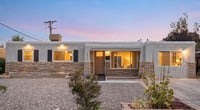
 frostbite |

 U donn |
  Springs Korea |
  nixon |
  mini hometown |
  Gleeee |
  MacMorningBlog |
  ASURA |
  Elastico |
  shaket |
  vionoo |
  chocolate |
  Whisper |
  Star Voyager |
  InDiGo |
  Rocky Mountains |
  Whoever It Is, I Don't Know |
  Why Not Me |
  Plastic Rose |
  Rice Shop Uncle BLOG |
  Victory 1988 |
  Gook Rule |