
On the first weekend of November, I was sitting by the window at a local café when I noticed two coworkers at the next table sighing as they opened their laptops. I overheard them mention that the deadline for their company's open enrollment was next week.
That scene stuck with me oddly long. It's a door that opens only once a year, yet many people tend to skip it and stick with last year's choices out of laziness.
I've experienced the consequences of that myself in the past, so this time I went through the numbers one by one. There were quite a few things that are easier to overlook than I expected.
First, let's cover the basics. Open enrollment typically occurs in the fall, and the health insurance and benefits you choose during this period will carry over for the entire next year.
The only times you can change your selections are when life events occur, such as marriage, childbirth, moving, or losing other insurance. Even then, there's usually a short window of about 30 days, so it's essential to check your company's policies.
This means that if you click through carelessly now, you'll be living with those choices until December of next year. That's the real scary reason for this season.
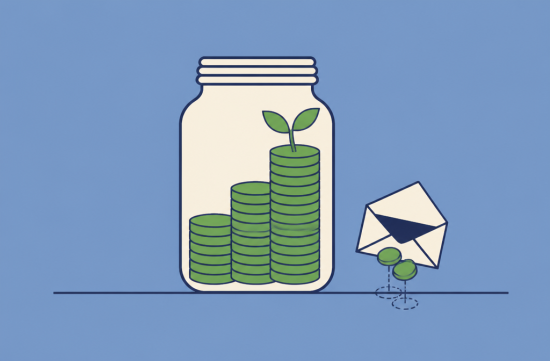
The first thing to look at is the HSA. This is an account that can only be used if you're enrolled in a high-deductible health plan (HDHP), and it offers triple tax benefits, so those who know about it make sure to take advantage.
The IRS announced the 2027 HSA limits at the end of May this year: $4,500 for individuals and $9,000 for families. This is a slight increase from $4,400 and $8,750 in 2026.
If you're over 55, you can contribute an additional $1,000. This additional limit hasn't changed for several years and is not indexed to inflation.
However, not every plan qualifies for an HSA. For 2027, the annual deductible must be at least $1,750 for individuals and $3,500 for families, and the out-of-pocket maximum cannot exceed $8,700 for individuals and $17,400 for families.
Honestly, many people are intimidated by the high deductible. But if you rarely visit the doctor, saving on premiums and putting the leftover money into an HSA can be more beneficial in the long run.
HSA balances do not disappear at the end of the year and follow you even if you change jobs. This is the biggest difference from an FSA.
The FSA is the second checkpoint. This account allows you to use pre-tax income for medical expenses, but if you don't use it within the year, the funds are lost.
The 2026 medical FSA limit was $3,400. The 2027 limit is typically announced by the IRS in the fall, and as of the time of writing, I haven't been able to confirm the official figures.
However, if your company's plan allows it, you can carry over up to $680 of unused funds from 2026 into 2027. Depending on the company, some may offer a grace period of about two and a half months instead of a carryover, while others may not offer either.
So, with an FSA, it's better to calculate based on the actual expenses you incurred last year for things like glasses, dental work, and medications rather than trying to max out the limit. I would definitely only contribute what I know I will spend.
Oh, and as the year-end approaches, make sure to check your current FSA balance. I finally understood why so many people flock to pharmacies in December to buy lenses or over-the-counter medications.
The third often-overlooked item is the dependent care FSA. This account allows you to pay for child daycare or after-school expenses with pre-tax dollars.
This limit increased from $5,000 to $7,500 due to federal law changes starting in 2026. If couples file separately, each can claim $3,750.
This is the first increase in decades, which was surprising. However, whether your company has adopted this higher limit varies by plan, so you need to check directly on the enrollment screen.
The fourth item is the 401(k). While it's not strictly tied to open enrollment, many people take the opportunity to review it alongside their benefits.
The employee contribution limit for 2026 was $24,500. The official limit for 2027 will be announced by the IRS in November, so the numbers circulating now are just estimates.
So, even if adjustments are made once it's confirmed, make sure to check whether you're at least receiving the full company match. Not receiving the match is like leaving part of your paycheck on the table.
Lastly, there are some small but valuable items to consider. These include dental and vision insurance, additional life insurance, short-term disability insurance, and wellness rewards that vary by company.
Especially, many people haven't updated their dependent information and beneficiary designations in years. It only takes a few clicks, but correcting it later can be much more cumbersome.
After gathering all the numbers, my conclusion became simple. If you're generally healthy, I would choose an HDHP and HSA; if you're certain you'll need to visit the doctor, I'd opt for a standard plan with a reasonable FSA.
Of course, the answer may vary depending on your tax situation or family circumstances. If you're unsure, it's best to ask your company's HR or a tax professional.
As I left the café, I couldn't help but wonder what those two ended up choosing. This weekend, don't just passively stick with last year's choices; take a moment to carefully review your options on the screen.
 GoldenHeart
 TopSummit



 juicylol |

 Mr Song Song |

 Way to easy |
 holy cow |

 Soy Angelino |

 oster |

 Anytime Journey |

 eatontown blog |

 Amber H |

 ssome |
 skykong |
 Shining Our Own World |
 gardener 007 |
 golfmaster |
 Nanana Nanana Nanana |
 Who's watching? |
 endone |
 RockStar |
 Casa Mia |
 You Only Live Once |
 Hardworking CPA |
 Joyce 77 |
 Runner Kim |
 My Town My Way Blog |
 My Miami Stories |
 Entip |
 Tony Park |
 Jean Claude Bundang Blog |
 DJ DC BLOG |