
Converted the basement into a room and added a sunroom to the backyard. I hired a local contractor without a permit, and nothing happened for over 10 years. But the moment I put the house on the market, these issues suddenly came up.
Such cases are more common than you might think. It's fine when you buy, but it becomes a problem when you sell. This is because there are several people involved in the paperwork during the transaction.
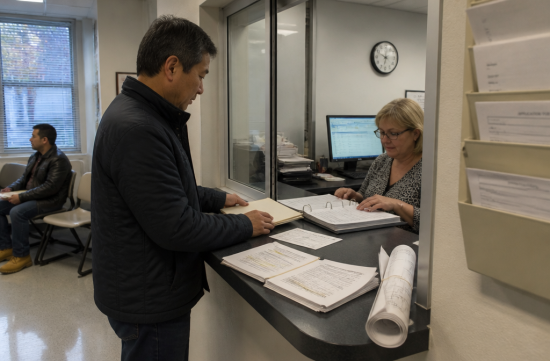
The first hurdle is the city hall. Leonia requires a CRO, or Certificate for Resale/Rental, when selling or renting a house. You need to apply to the borough's building department and undergo an inspection.
This inspection is described as a visual check in the borough checklist. This means it's not an invasive inspection that tears down walls. Many people feel reassured by this.
However, there's another requirement on the same checklist. The CRO application must be submitted along with the latest property card. If the recorded building information differs from the actual house, it can be flagged here.
The second hurdle involves the buyer's home inspector and attorney. The inspector will ask questions based on the size of the basement window or the electrical wiring. The attorney will check for open permits or unrecorded work during the title search process.
Open permits are tied to the same issue. A permit may have been obtained, but if the final inspection wasn't completed, it remains open. This often comes up during the title search just days before closing.
The third hurdle is the paperwork that the seller must complete. The Seller's Property Condition Disclosure Statement created by the New Jersey Division of Consumer Affairs includes questions about additions and structural changes. It separately asks whether there have been any renovations by the current or previous owners and whether the necessary permits and approvals were obtained.
I do not recommend checking off that you are unaware of these issues. This form includes a clause stating that you are obligated to disclose any significant defects you are aware of, even if they are not specifically asked about. This could serve as grounds for a lawsuit by the buyer later on.
So, what are the penalties if you get caught? According to New Jersey's Uniform Construction Code (UCC), the fine for starting work without a permit is capped at $2,000 per violation. The limit was raised from $500 to $2,000 in a 2003 amendment.
The state administrative rules require immediate fines to be issued upon discovering a violation. Once the inspector becomes aware, it's hard to overlook.
In fact, what's scarier than the fines are the time and construction costs. To obtain a permit retroactively, the inspector may need to check the wiring or plumbing, which could require opening up finished walls. The closing date is set, but the timeline depends on the city hall, which can disrupt the contract.
There's one important distinction to note here. The handling of the situation varies depending on who performed the work.
According to Bulletin 06-1 from the New Jersey Department of Community Affairs (DCA), if the previous owner did work without a permit, the new owner is advised to have a Certificate of Continued Occupancy inspection. If there are no concerns about life safety, they are not required to conduct invasive inspections that tear down walls.
Conversely, if the current owner performed the work themselves, the situation is different. The same Bulletin advises that permits should be obtained for repairs that originally required permits. This means the seller is responsible for rectifying the situation if they did the work themselves.
So, when you compare the buyer's and seller's perspectives, the calculations change. The buyer holds the negotiation card by taking on the previous work. The seller must choose between covering the costs of rectification or lowering the price.
In fact, a law firm in New Jersey shared a case where a house that had converted a garage into a room was blocked just before closing. Ultimately, they had to reopen the permit and schedule an inspection to finalize the transaction.
If you plan to sell your house now, what should you do first? I would suggest the following steps before listing.
First, visit the borough's building department to check the permit records associated with your address. See if there are any open permits and whether they have been closed.
Next, check the property card. Compare the number of rooms, area, and structure with your current house. If there are discrepancies, it's likely that those are unpermitted renovations.
Then, clarify who performed the work. Depending on whether it was done after you purchased the house or existed before, your response will differ. Gather any receipts and photos if available.
Finally, consult with an attorney to decide whether to obtain a retroactive permit or disclose the issues and adjust the price accordingly. The outcome can vary significantly based on the scope of the work.
When comparing the two options, it looks like this. A retroactive permit requires time and money but broadens the pool of potential buyers and maintains negotiation power. Disclosing and adjusting the price is quicker, but buyers may back out due to mortgage appraisal or insurance issues.
Personally, I prefer to sort out the retroactive permit 3 to 6 months before listing. It's much less likely to lead to complications during negotiations than resolving issues after receiving offers.
If you're not planning to sell yet, it's even simpler. Just obtain permits for any work you're currently doing. If you're worried about the fees, think about the next 10 years.
For reference, the requirements for applying for a CRO can change. Leonia has also announced on the building department page that they have removed the previous requirement for fire extinguishers. Be sure to check the latest requirements and fees with the borough's building department before applying.
This article is based on state laws, DCA guidelines, and borough materials as of November 2026. Actual handling may vary based on the nature of the work and the city hall's judgment, so it is advisable to consult a New Jersey real estate attorney before proceeding with a transaction.
 BusanYeocha






 Rolling Joy Life |

 Dollydori, Lover of Movies |

 leonee |

 ringwinds |

 Supplemental Security Income (SSI) Information |








 Raccoon Ramen Night |

 ovelion |

 Something is popping in the situation |

 lumix88 |

 quiet river |
 kimchi warrior |
 Angeles Choi |
 nutnew |
 happy 9 |
 United States National Administrative Organization Stories |
 upbeat |
 silents |
 Korean American National Foundation Promotion Blog |
 PETRO Vatican Shrine |
 American Food Information & Calories |
 Sammy Beach |
 monalisa blog |
 Pronunciation Yo |
 Softy |
 rigid |
 Website Design Artisan |
 Folding Instructions |
 hulu 1978 |