

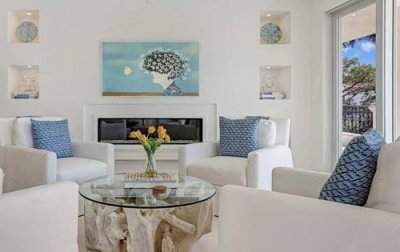
There was a family looking for a condo in Roland Heights where they could live with their dog. One of the two properties they liked completely prohibited large dogs, while the other allowed up to two dogs but had a weight limit. Although the conditions of the properties themselves were similar, the pet regulations made the final decision for them.
Since there are no specific statistics for the Roland Heights area, we can refer to the average values from the adjacent Los Angeles County and San Gabriel Valley region. The HOA fees for condos and planned development areas in that region range from $340 to $388 per month. Typically, these fees cover building exterior maintenance, master insurance, common area management, landscaping, trash collection, and reserve fund contributions.
Roland Heights has several small condo complexes scattered throughout the residential areas. Most of them are townhouse-style complexes built between the 1980s and 1990s, and they tend to be low-rise buildings rather than large high-rises. Low-rise townhouse-style complexes generally have lower management fees, but the larger roof and exterior wall areas can lead to significant reserve fund burdens in the long run.
Rental and pet regulations can vary greatly depending on the nature of the complex. Complexes primarily operated for residents often restrict rentals, while those with a high proportion of investors may be more lenient with rentals but show higher rates of management fee delinquencies. When comparing two properties, it helps to consider the nature of the complex as well.
When choosing properties within the same budget, it is advisable to organize the management fee numbers, CC&Rs details, and reserve fund status side by side in a single table for easier comparison. By reviewing the documents for both properties, you can reduce the chances of regret after signing a contract. Especially if you have pets, it's wise to check for any fines or lease renewal refusal clauses in case of regulation violations. If you already have pets, it's a good idea to directly contact the management office before signing the contract to inquire about when the current regulations were last updated.
When comparing the two properties side by side, the difference in management fees was not significant. However, the details of the CC&Rs were completely different. Not only the pet regulations but also the rental methods and renovation restrictions varied from complex to complex. This information is not included in the sales contract, so you need to request the HOA documents directly to verify it.
The status of the reserve fund is also an important item to consider. California's Civil Code 5550 requires HOAs to conduct a reserve study at least every three years, and following the SB 326 established after the Surfside condo collapse in 2021, buildings with three or more stories must inspect exterior elevated elements like balconies and decks every nine years. The first inspection deadline is January 1, 2025. If the reserve fund is insufficient, it can lead to additional special assessments, which are separate from pet regulations.
Here's a summary of the items to check when comparing:
- Number of pets, weight, and breed restrictions
- Rental methods and minimum rental periods
- Recent reserve study and history of special assessments
- Renovation approval procedures
It's also important to note that smaller complexes may have a higher burden per unit. Townhouse-style complexes with fewer units tend to have fewer households to share the costs when major repairs arise, so if a special assessment is imposed, the amount per unit is likely to be higher than in larger complexes. This structural difference may not be evident from just the management fee numbers, so calculating alongside the total number of units and the reserve fund balance provides a more practical comparison method.
If you have the same budget, it's better to compare the two properties not just by management fee numbers but also by placing the CC&Rs and reserve fund status side by side, which can lead to a more accurate choice. This article is not investment or legal advice, and it is recommended to consult a professional before making any actual contracts.
 StarlitMania
 PinkRabbit







 |
| 
 Premium Gas Camp |
 CA Real Estate |
 cheesepup |
 breezem |
 People Moon |
 Rowland Mama |


 American History This and That |
  explorer |
  dictionary |
  Mr Bull Jung |
  radiant |
  Georgia 88 |
  Great TOWN NEWS |
  Open Flex Mind |
  Hartford Blog |
  unified |
  Generation X |
  ringwinds |
  American Food Information & Calories |
  Hawaii Maui Kahului |
  calvorn |
  fernando park |
  newyorker 101 |
  coffeee |
  |
|  Christopher |
  sylven |