

The median sale price of single-family homes in Salt Lake City has risen to $685,000 as of June 2026, marking a 7% increase from a year ago. When considering all types of housing, including condos and townhouses, the increase is more modest, with Zillow reporting an average of $580,299, a 1.7% rise. The differing figures can be confusing, as they are calculated separately for single-family homes and overall housing types. Regardless of the metric, the trend is clear: Salt Lake City remains a rising market.
So how difficult is it to find listings right now? Inventory levels are between 1.5 to 2.6 months, significantly below the balanced market benchmark of 4 to 5 months. The time it takes for a home to go under contract after being listed is also relatively short, ranging from 29 to 34 days. With a typical standard considering anything under 45 days as a seller's advantage, Salt Lake City still leans toward a seller's market. However, there are signs that the previously heated bidding wars are gradually cooling, as some areas are experiencing longer days on the market compared to last year.
What is driving this upward trend? The tech industry is a major factor. The area known as Silicon Slopes, stretching from Provo to Ogden, is home to over 1,000 tech companies, employing more than 67,500 people. Companies like Adobe, Microsoft, and Oracle continue to expand, contributing to an annual growth rate of 3.9% in tech jobs in Utah. The steady influx of people moving from states with high living costs, such as California, Washington, and Colorado, also supports demand.
If you're considering rental income, it's important to look at rental prices as well. The average rent is around $1,600, and the price-to-rent ratio, which compares annual rent to sale prices, is calculated to be about 29.7. A higher ratio typically indicates that renting is more favorable than buying for investment purposes, so it's wise to compare this with other areas if you're focused solely on rental income. Areas frequently mentioned by Korean families include Cottonwood Heights and Holiday, but school district boundaries change often, so be sure to verify the assigned schools for any addresses of interest before making a purchase.
This inventory shortage is not unique to Salt Lake City. Existing homeowners who secured homes with mortgage rates in the 3-4% range during the low-rate period of 2020 and early 2021 are hesitant to switch to the current rates in the 6% range, leading to a nationwide phenomenon known as the lock-in effect, which continues to impact the market. This trend is similarly observed in Salt Lake City, where a higher proportion of existing homeowners are staying put rather than listing their homes for sale. For newcomers from Korea looking for their first home, it may be practical to consider not only single-family homes but also condos and townhouses, as condos tend to have a bit more inventory available, providing a wider selection.
Families moving from other states should also be aware that property tax experiences may differ. Utah's property tax rate is generally lower than the national average, but actual rates and assessment methods vary by county, so it's safer to check based on Salt Lake County rather than estimating based on your previous residence. As of July 2026, the average 30-year fixed mortgage rate is around 6.6%, according to Freddie Mac PMMS data. Since rates can vary based on loan conditions, it's practical to seek advice when considering your options.
Ultimately, Salt Lake City appears to be a seller's market with tight inventory and short contract times. However, the fundamental drivers of tech industry growth and population influx are in play, suggesting that a long-term perspective may be more appropriate than focusing on short-term fluctuations. This article is not investment or legal advice, and it's advisable to consult with professionals before entering into any contracts.
 ChiliDesert
 LemonSodaPlan






 cheesepup |
 breezem |
 yentra |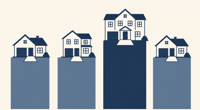
 virex |
 vexon87 |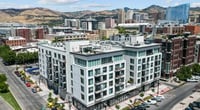
 KGOMIO Blog |
 AliAluAlo Blog |
 lumix |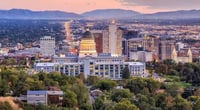
 U.S. Weather Bureau News |
 hazelnut |
  Korean News American Blog |
  AH LALA |
  Savion |
  pintos |
  Good Good |
  oh my salami |
  Way to easy |
  American Hardcore Band |
  Dala Dala |
  Pointy |
  Springs Korea |
  nixon |
  mini hometown |
  Gleeee |
  MacMorningBlog |
  ASURA |
  Elastico |