
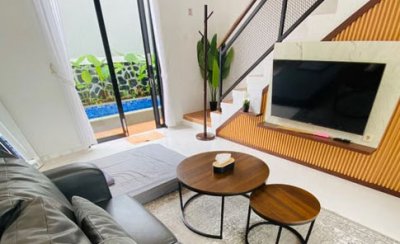
When you look around older apartments in Salt Lake City, you often feel a sense of spaciousness in the wall thickness and ceiling height that differs from modern constructions. Neighborhoods like The Avenues and Sugar House often have older buildings located within walking distance to downtown, making them a better option in terms of location for the same budget compared to new builds. So, how much of a difference is there in rent between new and older buildings?
According to RentCafe's 2026 data, the average rent for an apartment in Salt Lake City is $1,592, which is only a 0.31 percent increase from last year's $1,587. In terms of bedroom count, studios average $1,172, one-bedroom units $1,429, two-bedroom units $1,786, and three-bedroom units $2,139. One reason for the modest increase is that Steadily points to the recent construction boom, which has somewhat alleviated the upward pressure on rent due to increased supply.
What about the differences by neighborhood? RentCafe's data shows that for a one-bedroom, The Avenues averages around $1,975, Sugar House about $1,840, and downtown approximately $1,580, while Poplar Grove is much lower at $1,109 and Jordan Meadows at $1,130. This means that even within the same city, the rent can vary by over $800 depending on the neighborhood, indicating that location is just as significant a factor as whether a building is new or old.
The most common question is likely about the difference in management fees. Older rentals tend to offer relatively larger spaces, but water and electricity bills are often billed separately, and the building's insulation may not meet modern standards, leading to fluctuating heating and cooling costs depending on the season. In contrast, many new apartments bundle water, trash, and even gas into the rent, making it easier to predict monthly expenses. However, it's also important to note that new condos or townhouses with more community amenities often have higher HOA fees compared to older buildings.
Utah's dry climate is relatively favorable for older buildings, as it reduces issues like wood rot or mold caused by humidity. However, areas closer to mountainous regions receive significant snowfall in winter, so it's essential to check the ability of older roofs to withstand snow loads before signing a lease.
Families moving to Utah from other states may find the property tax rate lower than their previous residence. However, special taxes imposed by counties and school districts can vary, so it's best to use this as a general trend and verify the actual tax rate directly with Salt Lake County. Korean families considering schools for their children should refer to GreatSchools or Niche ratings, but since school district boundaries change frequently, it's advisable to double-check the assigned school for any addresses of interest before finalizing a lease.
If you're looking at Salt Lake City for real estate investment, you should also consider the impact of the recent surge in new construction on rental yields. The increase in supply has slowed the pace of rent increases, which means the risk of vacancies for new properties is higher than before. On the other hand, older buildings are located in established neighborhoods with steady tenant demand, but as buildings age, significant expenses like boiler or roof replacements may be on the horizon. It's difficult to definitively predict the profitability of any specific property, so it's realistic to weigh the risks involved.
Whether you choose new or older buildings, the items to check are similar.
- Utility items included in management fees
- Year of building completion and recent remodeling history
- Walkability and public transportation conditions by neighborhood
Ultimately, Salt Lake City appears to be a market where the neighborhood itself plays a more significant role in determining rent than the premium for new constructions. Consider your budget, commute distance, and desired lifestyle, and remember that this article is not investment or legal advice, so it's advisable to consult with a professional before finalizing any agreements.
 OrangeSoul
 SesameSoup







 cheesepup |
 breezem |
 yentra |
 virex |
 vexon87 |
 KGOMIO Blog |
 lumix |
 AliAluAlo Blog |
 U.S. Weather Bureau News |
 Whisper |
  Star Voyager |
  InDiGo |
  Rocky Mountains |
  Whoever It Is, I Don't Know |
  Why Not Me |
  Plastic Rose |
  Rice Shop Uncle BLOG |
  Victory 1988 |
  Gook Rule |
  Rowland Mama |
  Coco and Lulu |
  Baguette Blog |
  washington mom |
  yorvik12 |
  HVAC will prosper |
  mortrix |
  Panorama Kstar |
  MAX009 BLOG |
  K-POP TV News |