

Recently, I received a message from someone nearing retirement asking if there were ways to reduce summer cooling costs. They mentioned that even after applying window film and frequently changing the air conditioner filter, their bills didn't decrease significantly. From my nearly 20 years of observing the Frederick market, I can say that in such cases, the size and structure of the home itself are often the biggest factors determining cooling costs, more so than windows or filters.
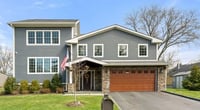
In fact, looking at recent cases in Frederick, retirees who have moved from single-family homes to condos or townhomes commonly report a noticeable decrease in their summer electric bills. The average price of a single-family home in Frederick is $605,000, while condos average $347,643, indicating a significant price difference. As the size decreases, the space that needs to be cooled also shrinks, leading to this natural outcome.
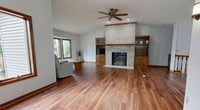
The average electric rate in Maryland is around 21 cents per kilowatt-hour, which is about 3 percent higher than the national average. During the summer, the demand for cooling drives the effective rates even higher. Single-family homes often have higher ceilings and larger areas, requiring air conditioning to run longer and harder to maintain the same temperature compared to condos or townhomes. In contrast, townhomes and condos share walls with neighboring units, resulting in less heat loss and relatively lower electricity costs to maintain the same indoor temperature.
Property taxes also need to be considered. The tax rate for Frederick County for the 2025-2026 fiscal year is $1.11 per $100 of assessed value. Since the assessed value of condos and townhomes is generally lower than that of single-family homes, the annual property taxes are also reduced.
It's important to note that HOA fees can vary significantly from community to community. In the Frederick area, listings show a range from $31 per month for affordable options to as high as $745. Across Maryland, the average monthly fee is about $130. Communities with amenities like pools or clubhouses tend to have higher fees, so it's wise to first determine what facilities are actually needed.
From what I've observed, many people who initially seek advice to save on cooling costs end up concluding that downsizing their home is the best solution. This is because it can reduce not only their monthly electric bill but also property taxes and maintenance costs all at once.
For families moving to Frederick from other states, it's important to know that both Frederick County and the city of Frederick have separate tax rates. If you only budget based on the county rate, you may find discrepancies when you receive your actual bill. The most accurate total tax rate can be obtained by contacting the Frederick County Finance Department or city hall based on your address.
Maryland has a program that limits property tax burdens for homeowners with incomes under $60,000 and net worth under $200,000 through the Homeowners' Property Tax Credit, which sets the property tax burden at a certain percentage of income. When retirement leads to reduced earned income, it's worth looking into these income-based relief programs. Applications must be submitted annually through the State Department of Assessments and Taxation (SDAT), so if you think you might qualify, don't delay in checking.
- Single-family homes - typically have larger cooling areas, resulting in higher summer electric bills.
- Townhomes - share walls, leading to less heat loss and often lower cooling costs compared to single-family homes.
- Condos - have smaller areas and shared structures, resulting in the least cooling cost burden, but HOA fees must also be considered.
- Active senior communities - often feature small, energy-efficient units, leading to stable heating and cooling costs.
If cooling costs feel particularly burdensome, it may be necessary to reassess the size and structure of your home before considering insulation or equipment replacement. Tax and HOA conditions can vary by time and community, so it's advisable to consult with real estate and tax professionals before making any decisions. This article does not constitute investment or legal advice.
 HappyOcean
 WindLunch






 Sugar Cream Door Bulletproof Noodles |
 urbanmint |
 |
| 
 Premium Gas Camp |
 CA Real Estate |
 kiwiii |

 UCLA Captain |
  lattecu |
  dynamite |
  frostingline |
  Hakuna Matata |
  Your Curiosity Resolved |
  Way to easy |
  Chino Min |
  nexabyte |
  moonshine 7 |
  Sunset Oregon |
  victoria 68 |
  golfmaster |
  Montgomery Mom |
  squidogame |
  Noodle Noodle |
  Rhode Island Good People |
  Big North |
  Famous Attractions in the United States |
  Jin Soo V |