

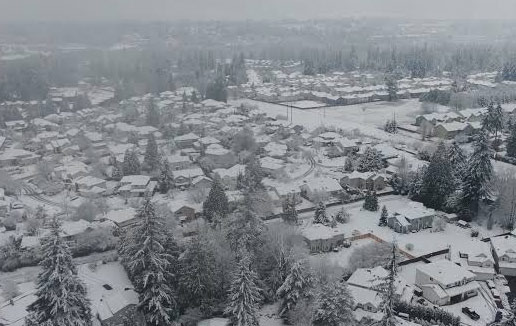
I've heard that electricity rates are cheap in Lynnwood, but I really felt it was true after moving here.
Knowing utility costs before moving can really help with budgeting for living expenses.
I was confused about the billing system at first, but over time I started to see some patterns.
I hope this helps newcomers, so I'll share what I've experienced and confirmed step by step.
Electricity is supplied by Puget Sound Energy, commonly referred to as PSE.
It's a large energy company that covers a wide area across Washington State and Snohomish County, so Lynnwood is naturally included in their service area.
The average electricity rate in Lynnwood is 13 cents per kilowatt-hour. This is about 35% lower than the national average, so just looking at this number, you can definitely feel the reduced burden. According to EnergySage data, the average monthly bill is around $176, which is a number that people from other areas would likely envy.
Many homes don't even turn on the air conditioning in the summer. The highest summer temperatures in Lynnwood hover around 76°F, so there are many days when a fan is sufficient. This means summer electricity bills come in lower than expected, which is a relief.
According to PSE, the most expensive month for electricity rates is February. This is expected since it's when heaters are used the most. Conversely, July and August are the months with the lowest electricity usage, which is another reason summer feels so carefree.
You definitely feel the increase in winter heating costs compared to summer. Based on an average usage of 800 kWh per month, the average monthly bill was $122.16 in 2025, but it rose to about $129.83 in 2026. There was an increase of about 12% in 2025 alone, and an additional increase of about 6.3% in 2026.
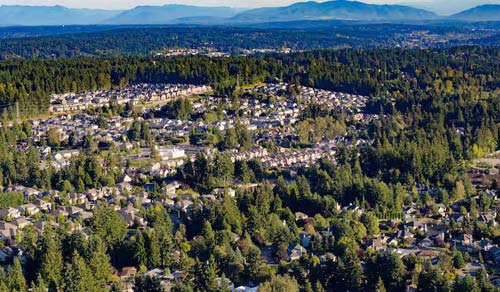
The ongoing trend of rising rates is honestly a bit disappointing.
However, Washington still maintains a relatively low level compared to the national average, which is comforting.
The noticeable increase each year is something to keep an eye on.
If you use natural gas, heating costs are billed separately from electricity.
As of November 2024, the gas rate in the Lynnwood area was $16.26 per thousand cubic feet.
If you budget around this range before moving, it can ease your mind.
Whether electric or gas heaters are more economical depends on the home's structure and insulation.
However, since electricity rates are relatively low in Washington, using electric heaters doesn't impose a significant burden compared to other states.
If the home is well-insulated, winter heating costs can be kept lower than expected, which is something to consider when choosing a home.
Simple measures like window insulation film or door draft stoppers can significantly reduce heating costs. If you ask long-time residents in the area, they all seem to have some tips like that. Don't miss out on the rebate benefits by applying for the PSE energy-saving program.
In summary, Lynnwood is a place where you can enjoy the dual benefits of using less air conditioning in summer and having lower electricity rates.
While the trend of rising winter heating costs is disappointing, the climate characteristics of Washington mean that the heating period isn't as long as in the Midwest or East. I don't think you need to hesitate to move to Lynnwood because of utility costs; in fact, I believe it's often more advantageous annually compared to other areas.
 McDonalPoo
 ChocoWalker





 crystalx |

 compass |

 forward |

 harvest |











 Mia Flori |

 Fun Flex Life |

 Helpful Life Stories |

 John Denver |

 silents |
 Top |
 DOCTOR MED |
 zorvik79 |
 There Are Such Things in the World |
 liquid asset |
 Banana |
 nova nova |
 Cahty Chung |
 NFL Forever |
 denvik37 |
 Choco Choco Star |
 Entering Art Directly |
 Mini Mee |
 Exciting chichichi |
 My Circle |
 dermoon |
 Starbucks Reserve Roastery Closure |