
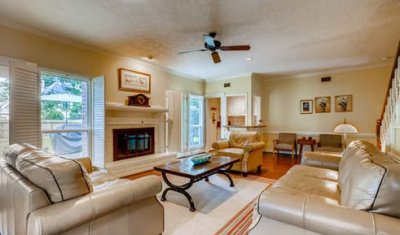
When searching for listings in Portland, you may notice a significant rental price difference between new and older properties, even within the same neighborhood. The first question that arises is how much this difference actually is and whether it is worth the trade-off.
According to Zumper data, as of July 2026, the average rent in Portland is around $1,731, with one-bedroom apartments at about $1,420 and two-bedroom units around $1,710. In contrast, popular areas like the Pearl District, known for new constructions and renovations, see average rents rise to about $2,103. The widening gap between neighborhoods with new developments and older residential areas can be attributed to both location and the age of the buildings.
So, what about the supply of new constructions in Portland? In 2026, the rate of rent increases has not been significant, and the market is generally stabilizing. This suggests that the recent influx of new developments has been somewhat absorbed by the market without drastic price surges. However, the precise price gap ratio between new and older properties in Portland was not confirmed in this search, so the Pearl District example serves as a reference point.
What are the practical advantages of new constructions? Buildings with the latest insulation and double-glazed windows can reduce heating costs during Oregon's damp and cloudy winters, and energy-efficient features often lead to lower electricity bills. It's also common for new constructions to come with building warranties, which lessen the burden of initial equipment failures. However, it's important to consider that amenities like pools, gyms, and lounges often lead to higher HOA or management fees compared to older properties.
What attractions do older properties have? Older complexes often provide more square footage for the same budget and feature established landscaping and neighborhood charm. However, Oregon's frequent rain and humidity can put a strain on older roofs and exteriors, so if a building is over 20 years old, it's wise to check for recent roof or plumbing replacements.
When selecting school districts that Korean families are interested in, it's advisable to check the GreatSchools ratings and verify the assigned schools for the specific address. For investors looking for rental income, new constructions tend to have shorter vacancy periods and are easier to rent out, while older properties may have lower purchase prices, potentially offering better returns. Families relocating from other states to Oregon should also be aware that state income tax and property tax structures may differ from their previous residences.
Areas like Beaverton and Hillsboro, where many Korean families reside, have seen an increase in new townhouses and condos in recent years. Due to the presence of tech companies, there is high demand for smart home features and home office spaces in new developments, and tenants generally prefer units equipped with these amenities. Oregon experiences recurring air quality issues due to summer wildfires, so newer developments are increasingly equipped with high-performance ventilation systems; for those living in older properties, investing in an air purifier may be a practical alternative.
It's also worth noting that Portland has state-level rent control regulations that limit how much landlords can increase rent. These regulations apply equally to both new and older properties, but new constructions tend to have higher initial rents, which means that even within the limits, the absolute amounts often remain high. Conversely, older properties start with lower rents, making it harder for their prices to catch up to new constructions even with continued increases.
In summary, in Portland, new constructions emphasize cost savings and convenience, while older properties highlight spaciousness and established neighborhood character. This article does not constitute investment or legal advice, and it is advisable to review specific terms with a professional before making any agreements.
 moonforesttraveler2017
 foxcitybuilder1973






 cheesepup |
 breezem |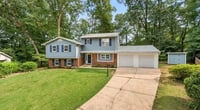
 yentra |
 virex |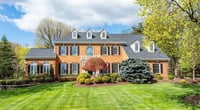
 vexon87 |
 zephyrs |
 cuteasducks |
 Oreore Mushroom |
 pin pin |
 vionoo |
  chocolate |
  Whisper |
  Star Voyager |
  InDiGo |
  Rocky Mountains |
  Whoever It Is, I Don't Know |
  Why Not Me |
  Plastic Rose |
  Rice Shop Uncle BLOG |
  Victory 1988 |
  Gook Rule |
  Rowland Mama |
  Coco and Lulu |
  Baguette Blog |
  washington mom |
  yorvik12 |
  solvix18 |
  HVAC will prosper |
  mortrix |