
Alaska is a vast state located in the northwestern United States, boasting some of the world's most beautiful natural scenery, wildlife, and a unique way of life. It is the largest state by area in the U.S., and its low population density and unique climate conditions make it an attractive place for nature lovers and adventure seekers.
Main Cities and Features
Anchorage:
- The economic center and largest city of Alaska, where population and infrastructure are concentrated.
- The main industries are oil, air transportation, healthcare, and tourism.
Juneau:
- The capital of Alaska, which is only accessible by air and ferry due to limited inland transportation.
- It features unique landscapes with glaciers and the sea.
Fairbanks:
- Located in central Alaska, it is famous for aurora viewing and dog sledding in winter.
- The main industries are tourism and military-related economic activities.
Sitka:
- A beautiful coastal city known for its rich history and wildlife observation.
Median Home Prices
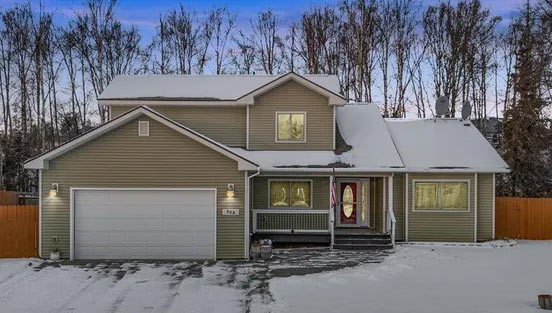
- The median home price in Alaska is about $330,000, which is similar to or slightly lower than the U.S. average.
- In major cities like Anchorage and Fairbanks, home prices are higher, while more affordable housing options can be found in rural areas.
- Average rent for a 2-bedroom apartment is about $1,200–$2,000.
Average Household Income
- The median household income in Alaska is about $80,000, which is higher than the U.S. average.
- The main economic drivers are oil, fishing, tourism, and military-related industries.
Economy
- Oil and Natural Gas: The backbone of Alaska's economy, with Prudhoe Bay being the largest oil field in the U.S.
- Fishing: Alaska is world-renowned for its seafood, especially salmon, cod, and crab production.
- Tourism: Unique natural attractions like glaciers, wildlife, and the aurora draw millions of visitors each year.
Climate
- Alaska experiences a variety of climates depending on the region.
- Southeast: Mild maritime climate, with relatively warm winters and cool summers.
- Interior: Very cold winters and warm, dry summers.
- North: Arctic climate, with long, cold winters and short summers.
Education
- Alaska has excellent public schools and several higher education institutions.
- University of Alaska System: A state university with campuses in Anchorage, Fairbanks, and Juneau, renowned for its Arctic research and marine science.
Nature and Recreation
Denali National Park:
- Includes North America's highest mountain, Mt. Denali, and offers hiking, camping, and wildlife observation.
Kenai Fjords National Park:
- Characterized by glaciers and coastal cliffs, popular for whale watching and kayaking.
Aurora Viewing:
- Especially in northern areas like Fairbanks, beautiful auroras can be seen in the winter night sky.
Wildlife:
- A place to observe a variety of animals, including bears, wolves, whales, and eagles.
Cost of Living
- Alaska has a higher cost of living than the national average, particularly for groceries, fuel, and construction materials.
- However, residents can receive annual oil revenue dividends through the "Alaska Permanent Fund Dividend" benefit.
Distinct Advantages
- Rich natural scenery and outdoor activities
- High household income and economic stability
- Unique culture and history
- Relatively affordable housing costs
Alaska is an ideal place for those seeking a life in harmony with nature rather than the conveniences of urban life. It offers a unique lifestyle and experiences for families, adventurers, and nature enthusiasts.






 AL ALASKA |
 Information on Area Codes in the Americas |
 Sunny's Travel in America |
 yentra |
  Make My Day |
  Victory 1988 |
  Tonky |
  viroma |
  cookie |
  Live and that's it |
  Alright Twain |
  eatontown blog |
  HAWAII Korean Church News |
  Amore |
  linex |
  Balancework |
  laro90 |
  MEDBIO American Doctor Blog |
  SWAT TEAM BLK |
  DREAM BIG |
  frostbite |
  330 Forever My Love |
  El Dorado |