
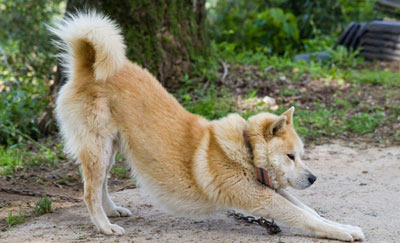
Stretching is a natural instinctive act for both humans and animals. For example, the act of stretching in the morning is a type of stretching that naturally loosens the muscles and joints of the body.
Often, yawning accompanies stretching, which is related to a biological reason to help physically relax and supply more oxygen.
Stretching involves movements that elongate the muscles, tendons, and ligaments of the body, holding value beyond simple exercise. Stretching is part of a warm-up routine, helping to gently loosen the body, reduce the risk of injury, and enhance the efficiency of physical activity.

The effects of stretching are closely related to changes in tension that occur as the length of the tendon increases.
Excessive stretching can lead to nerve damage or injury, so caution is necessary.
Stretching is a process that prepares the body and mind before engaging in serious exercise, playing an important role in warming up the body and relieving tension.
Stretching is an instinctive and simple action, but its effects have a profound impact on the entire body.
Through proper stretching, one can maintain the body soft and flexible, achieving better health and exercise performance.
However, it is important to perform it at an intensity that suits one's condition without overdoing it.
Stretching is an exercise designed to allow the muscles and joints to naturally elongate while maintaining posture.
Holding a position leisurely for 10 to 15 seconds is sufficient to achieve effective results, and movements that exceed the body's limits should be avoided during this time.
Many people use bouncing in an attempt to enhance the effects of stretching, which is a very incorrect method.
Bouncing is an act where the body exceeds a safe range and then returns, which can cause the following problems:
- Joint damage: If the joint exceeds its range of motion due to bouncing, it can lead to serious injuries such as dislocation.
- Muscle tears: Excessive bouncing can put too much tension on muscle fibers, risking tearing or damaging the muscles.
- Reduced stretching effect: If bouncing is mixed in, the muscles do not relax properly, failing to achieve the original purpose of stretching.
Stretching can lead to injuries if performed incorrectly.
Maintaining posture without bouncing is the safest and most effective method of stretching, which can prevent injuries.
Stretching is not just a simple warm-up; it is regarded as an essential activity for physical and mental health.
Respecting one's body condition while performing stretching is key.








 xylora |
 wendra |
 Aura-Infused WACAM |
 Texas Migration Story |
 There Are Such Things in the World |
  laro90 |
  MEDBIO American Doctor Blog |
  SWAT TEAM BLK |
  DREAM BIG |
  frostbite |
  330 Forever My Love |
  El Dorado |
  dralix58 |
  Gorama Round |
  Skydiving |
  dreamport |
  Yellow Snowman |
  Toaster Pizza Magic Show |
  velvetnom |
  Anytime Journey |
  Mrs. Duluth |
  jaxter |
  Atlanta Mama |
  Baguette Blog |
  Tan Sol |