

Recently, a couple came in for a consultation. They were debating whether to buy a condo in Seattle or a single-family home a bit further out. Their budget was set, their child was still young, and both of them commute to downtown Seattle. More families are facing this dilemma these days.
When looking at prices, condos are definitely more accessible. As of July 2026, the median sale price for Seattle condos and townhomes was $629,950. The median price for condos in the second quarter dropped 7 percent compared to the same period last year, and as of January, the median price for traditional condos was $445,000, down 12.9 percent from the previous year. This indicates that the condo market is giving buyers plenty of room for negotiation. One-bedroom units are around the $500,000 range, while two-bedroom units are approaching or exceeding $800,000.
To break it down specifically, if you buy a condo priced in the $600,000 range with a 20 percent down payment, you need to add about $700 for monthly management fees to calculate your actual burden. In contrast, while single-family homes in the suburbs may have a higher sale price, they often have no management fees, making the initial monthly burden similar for the first few years. I presented both scenarios side by side in a table for the couple.
There are also temperature differences depending on the neighborhood. Areas closer to downtown, like Capitol Hill or Belltown, have higher management fees but steady rental demand, while slightly more distant areas like Ballard have relatively lower management fees but slower inventory turnover. I pointed out this difference when the couple was deciding which neighborhood to consider.
If they plan to rent it out, they also need to consider rental demand. About 56 percent of Seattle households, or 204,500 households, live in rentals. This indicates a strong rental demand. As of April 2026, the cap rate rose to 5.2 percent, and the rental market is showing warmer conditions than the national average. However, it's important to note that the supply of new multi-family units has increased over the past 18 months, raising the vacancy rate to 7.2 percent.
We cannot overlook the topic of management fees. According to data from 56 Seattle condo buildings, monthly management fees ranged from $626 to $1,358. Compared to the Washington state average of $326 to $410, Seattle's fees are definitely on the higher side. Factors such as rising construction costs, energy regulations, and the age of the buildings contribute to these higher fees. I advised the couple to include these management fees along with principal, interest, and property taxes to recalculate their actual monthly burden.
It's also essential to check the financial status of the homeowners' association. Washington state mandates that condo associations conduct reserve studies and review them annually, and buildings with three or more stories must undergo structural safety reserve studies every ten years. Associations established before July 2022 were required to complete their first study by December 2025. If the reserve fund is less than 10 percent of the budget or if there are pending lawsuits, the property may be classified as a non-warrantable condo under Fannie Mae and Freddie Mac guidelines, which could worsen loan conditions.
Single-family homes are free from these association variables, but owners must handle significant repairs like roofs or boilers themselves. This means that while there are no management fees, unexpected expenses can accumulate at once. I explained the risks of each option to the couple as they are, leaving the final decision up to them.
If families are considering school districts, there are significant differences in school district reputations between Seattle and nearby areas. School district boundaries change frequently, so it's advisable to check the assigned school for the specific address before purchasing. For those coming from out of state, it's also important to factor in that Washington has no income tax, but property tax and insurance structures may differ. This article is not investment or legal advice, and I recommend consulting with a real estate professional and accountant before making any actual contracts.
 ItsJoyce
 mintcloudwalker1951






 Premium Gas Camp |
 CA Real Estate |
 cheesepup |
 breezem |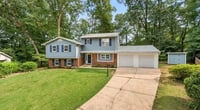
 yentra |
 moonlight |
 Western US Medical Student Association |
 Bacon King Blog |
 Good Neighborhood, Wealthy District Information |
 PETRO Vatican Shrine |
  Let's Be Like a Salt-like City Person |
  Belgray Miscellany |
  sweetvan |
  Augusta Univ |
  Round and Round Children's Song Kingdom |
  butter 90 |
  Lando Mao |
  Washington Denzel DJ |
  LIZ Legal Information Blog |
  vegas mom |
  Sandiego Auntie |
  Things to know |
  TEXAS Fishing Boat |
  AUTO OK |
  aaoaa |
  Florida King |
  Encyclopedia of New York and Surrounding Areas |
  Study Abroad Life Know-How Tips |
  Conflite Teacher |