


Located 30 miles south of Seattle in Pierce County, Tacoma has long been considered an affordable alternative to Seattle.
When it comes to cost of living, Tacoma's advantages are still quite clear.
If you're looking for ways to reduce housing costs while keeping a job in Seattle, it's worth crunching the numbers here.
Tacoma's cost of living index is 108, which is 8 points higher than the national average of 100.
In comparison, Seattle is at 148, Bellevue at 158, and it's lower than Lynnwood at 120 or Federal Way at 115.
The monthly rent for a two-bedroom apartment ranges from $1,500 to $1,900, often $600 to $1,000 cheaper than similar listings in Seattle.
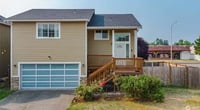
The median price for single-family homes is between $380,000 and $480,000, which is about half to 60% of the median price in King County.
Areas near the waterfront that are under development have seen recent price increases, but compared to Seattle, the entry barriers are still relatively low.
Grocery prices are about 5 to 10% higher than the national average. There are large supermarkets and Costco, and many people shop for Korean ingredients at the Korean market in nearby Federal Way or Bellevue H Mart. For a family of four, a realistic monthly grocery budget is around $900 to $1,150.
Utilities are relatively low since Tacoma Public Utilities (TPU) directly supplies electricity and water.
Transportation largely depends on commuting to Seattle. During rush hour, it takes about 40 to 60 minutes to reach downtown Seattle via I-5, and using Sound Transit express buses allows for commuting without a car.
By effectively using Pierce Transit and Sound Transit passes, monthly transportation costs can be managed around $100 to $180.
Since parking fees and gas costs add up, the difference can be quite noticeable.
The Korean community is smaller than in Federal Way or Bellevue, but there are several Korean churches.
Since the living areas overlap with Federal Way, it's generally not too inconvenient to handle matters in Korean.
If you're seriously considering moving, it's a good idea to start by writing down the difference between your current rent and the expected rent in Tacoma.
Adding in commuting time and costs will give you a clear picture of how much money you might be spending on the road.
It's safer to divide your budget into rent, groceries, utilities, and transportation, and to estimate each item on the higher end of the range.
When viewing homes, be sure to ask about whether utilities, parking, and maintenance fees are included in the rent. Even with the same rent, actual expenses can vary based on what's included, and comparing lease terms and renewal conditions will help avoid surprises later.
Neighborhood conditions can vary from block to block even within the same city. If safety is a concern, it's advisable to check the crime statistics published by the city and police, and to take a walk around during the day and evening.
It seems possible to maintain a stable lifestyle with an annual household income of $70,000 to $85,000. Taking a coffee on a weekend morning at the waterfront promenade and reviewing this month's expenses could also become a nice habit.
Personally, I believe Tacoma is a viable option if you can handle the round-trip commute time. The savings on housing costs can be more significant than you might expect.
Keep in mind that the amounts and route information mentioned here may change over time, so be sure to check the latest data. This article provides general information and is not financial advice.
 RubyStar
 LouisvilleZ






 explorer |
 endone |

 Mazinger Z Rocket Punch |












 biscuitz |

 Scade Studio |

 Nevada Vegas UNLV |

 Things to know |
 West Kong |
 Entering Art Directly |
 Mini Mee |
 Exciting chichichi |
 My Circle |
 Fun Flex Life |
 dermoon |
 Starbucks Reserve Roastery Closure |
 Noodle Noodle |
 Round and Round Children's Song Kingdom |
 Exciting FM Radio |
 vexon87 |
 Helpful Life Stories |
 leaves |
 glenview 89 |
 Wang Ga Nae |
 Life in the US |
 Alright Twain |
 cloud0 |
 Allaston New Yorker Notebook |
 MBTI Detective Agency |