

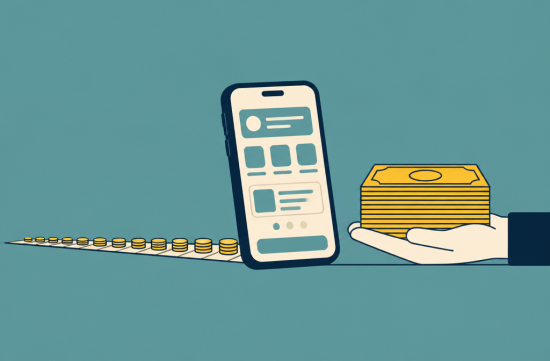
As the year-end approaches, I've been hearing a lot of talk about people changing their phones. However, when I ask where to sell their old phones for the best return, everyone seems to have different answers.
So this time, instead of relying on gut feelings, I looked at the numbers. There are three main options: trade-ins through manufacturers like Apple, carrier trade-ins, and selling directly.
First, let's look at Apple's trade-in program. Apple has lowered the trade-in values for older models in anticipation of the new iPhone release in September 2026.
According to a list compiled by MacRumors, the trade-in value for the iPhone 16 Pro has dropped from a maximum of $630 to $510. The iPhone 16 has decreased from $480 to $430.
The iPhone 15 went from $335 to $305, and the iPhone 14 dropped from $235 to $195. Conversely, the newly listed iPhone 17 Pro Max has a maximum trade-in value of $885.
It's important to note that these amounts are all "maximum" values. They are based on devices in good condition, and if the screen is cracked or the battery is worn down, the actual offer will be lower.
Additionally, Apple does not provide cash. They either deduct the amount from the price of a new device or give it as an Apple gift card. This is convenient for those who plan to buy from Apple, but it's disappointing for those who need cash.
Next, we have carrier trade-ins. If you just look at the advertised numbers, they seem the most appealing. When the iPhone 17 was released last year, AT&T offered up to $1,100 in credits for trade-ins.
The catch is that this money is not given all at once. Carrier credits are typically spread out over 24 or 36 months, reducing your monthly bill by a small amount.
If you divide $1,100 over 36 months, it comes out to just over $30 a month. This means you have to stay with that carrier and plan for three years to receive the full amount.
If you switch carriers in the middle or pay off your device installment early, the remaining credits usually disappear. There are often conditions that require you to maintain an expensive unlimited plan as well.
An example from Swappa illustrates this perfectly. If you have to use a plan that costs $15 more per month due to promotional conditions, that adds up to $540 over 36 months. Essentially, a significant portion of the trade-in value is lost to the bill.
Of course, if you are already on that plan and have no intention of switching for three years, the carrier option might be the most advantageous. Especially since there are occasional promotions that offer high trade-in values for older, worn-out phones.
Lastly, we have direct sales. Various comparison sources commonly agree that selling directly yields the highest returns. I was a bit surprised by the numbers myself.
According to the updated prices from the used phone buying site BankMyCell on November 3, the trade-in value for a good condition iPhone 16 was listed at $618. The maximum trade-in value from Apple for the same model is $430.
That's a difference of $188. And since Apple's value is based on the maximum, the actual gap could be even wider.
However, it's fair to deduct fees from the calculation. Swappa takes a 3% fee from the seller's sale price, plus there are separate payment processing fees.
eBay's fees for the phone category vary slightly from 12% to 13% depending on the source. It's best to check the official eBay fee schedule before listing.
The real cost of selling directly is the effort involved. You have to take photos, write listings, respond to negotiation messages, and worry about scams.
If you choose to sell locally through a marketplace, I recommend meeting in a busy public place during the day. Some police departments operate safe exchange locations for online transactions, so it's worth checking with your local police station.
As a side note, trade-in values tend to decrease each time new products are announced. If you're considering a change, it's better not to let your old phone sit in a drawer for too long.
No matter which option you choose, there are common tasks to complete. You need to log out of iCloud or your Google account, turn off Find My iPhone, and perform a factory reset. Forgetting these steps can lead to your trade-in being rejected.
In summary, if you want to maximize cash and are willing to put in the effort, selling directly is the way to go.
If you're planning to buy a new device from Apple and want to avoid hassle, Apple's trade-in program is a solid choice. Carrier trade-ins are only suitable for those who can accept a three-year contract and plan conditions.
Personally, I would first get estimates from Apple, the carrier, and resale sites. Getting estimates doesn't cost anything.
Then, I would factor in the total amount of bills paid to the carrier over 36 months into my calculations. Missing this line can easily lead you to be swayed by the advertised numbers.
Honestly, I find the structure of carrier credits a bit unsatisfactory. They appear to be trade-in values but are actually a way to keep customers tied to a carrier for three years, which can be disadvantageous for seniors or immigrants who may not be familiar with bill calculations.
Back in the days of pagers, changing a device wasn't this complicated. Still, just crunching the numbers once can save you over a hundred dollars, so make sure to compare before you trade in this year-end.
 HamCheeseDrop
 SunnyTiger







 Nevada Vegas UNLV |
 West Kong |

 havero70 |

 Grow Your Gut Bacteria Well |
 choi family |

 Kitchen Ideas |

 Things to know |


 Toaster Pizza Magic Show |
 gravity |
 714 Success Era Real Estate |
 Investment Beginner Company Information Encyclopedia |
 musicque |
 The Gelaton |
 ovelion |
 Chicagonian |
 Freedom Yea |
 AZ Road Master |
 glenix39 |
 Something is popping in the situation |
 orvella |
 vella |
 comets |
 Banana |
 Yes Dorian |
 zentar |
 mykiwi blog |
 shinramen wang |