
In recent years, when consulting with Korean families considering a move to Ann Arbor, a common question arises. They want to know which neighborhoods to explore first based on where their child will be assigned to school. Given that Ann Arbor is home to the University of Michigan, there is a particularly high interest in school districts, and inquiries of this nature have noticeably increased in recent months.
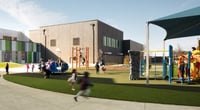
The Ann Arbor public school district has a significant number of schools that show academic performance above the state average according to GreatSchools. Simply put, this means that many schools perform better than average when looking at test scores and student academic growth. According to Niche, Angel Elementary School received an A+ rating, ranking 14th among all public elementary schools in Michigan and 2nd in Washtenaw County. If the terminology is unfamiliar, think of Niche's A+ as a comprehensive evaluation similar to what would be given to a reputable school in Korea, based on academic achievement, diversity, teacher ratings, and college enrollment rates.
From the perspective of the Korean community infrastructure, Ann Arbor has a Korean population percentage of 0.81% based on U.S. Census data, which is higher than the Michigan state average of 0.44%. While this figure may not seem significant, it reflects the steady influx of researchers and international students from the University of Michigan, leading to the establishment of Korean churches, Korean language schools, and small Korean markets. Families looking for neighborhoods with good school districts should also consider the accessibility of these community resources.
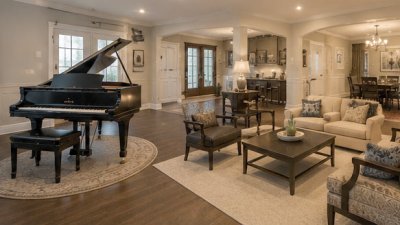
Turning to housing prices, the average value of homes in Ann Arbor is $489,157 according to Zillow, which has increased by 3.6% over the past year. Areas known for good school districts tend to have prices that are typically 10% to 30% higher than those in less desirable areas, and Ann Arbor is no exception to this trend. Recent market observations suggest that more families are prioritizing school districts and adjusting their budgets accordingly.
Some individuals approach this from an investment perspective. In one case I reviewed, a property was purchased in a high-performing school district to rent long-term to graduate students or visiting scholars from the University of Michigan. It has been observed that areas with school district premiums tend to have shorter vacancy periods. However, rental yields can vary significantly based on purchase price, management costs, and property tax burdens, so it cannot be assumed that profits are guaranteed. Given the significant fluctuations in mortgage rates in recent years, it seems practical to separate funding plans for personal residence and investment purposes.
For families newly arriving from Korea, starting with a rental and becoming familiar with the area before transitioning to a purchase is a viable option. Ann Arbor has a steady supply of rental listings, especially since many families move each semester, but it is advantageous to act early to secure a rental with favorable conditions within the desired school district.
Families preparing to relocate from other states should be aware that the property tax system may differ from their previous residence. In Michigan, property tax rates and assessment methods vary by county, so it is wise to check the tax burden for a specific address before selecting a property. School district boundaries can also change annually, so it is advisable to verify that a desired home is assigned to the intended school before making a purchase.
In summary, Ann Arbor appears to be a region where academic indicators, Korean community infrastructure, and the housing market are relatively balanced. However, this article does not constitute investment or legal advice, and it is recommended to consult with real estate professionals and tax experts, and if necessary, immigration specialists before proceeding with any contracts.
 HappyCamp
 PizzaHeals





 Premium Gas Camp |
 CA Real Estate |
 cheesepup |
 breezem |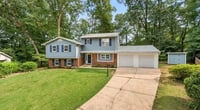
 yentra |
 crumb |
 marydock |
 Lime Juice |
  French fries |
  Rynex |
  Caribbean |
  Let's Be Like a Salt-like City Person |
  Belgray Miscellany |
  sweetvan |
  Augusta Univ |
  Round and Round Children's Song Kingdom |
  butter 90 |
  Lando Mao |
  Washington Denzel DJ |
  LIZ Legal Information Blog |
  vegas mom |
  Sandiego Auntie |
  Things to know |
  TEXAS Fishing Boat |
  AUTO OK |
  aaoaa |