
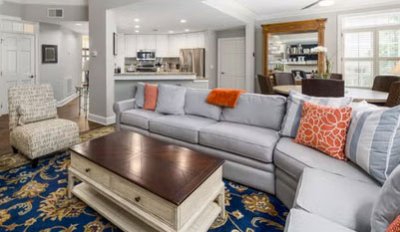
Let's follow a consultant who was initially reviewing rental properties. They were considering a two-bedroom condo located in Pasadena, debating whether to focus solely on rental income or also consider tenant demand.
The average rent in Pasadena varies by source; according to RentCafe, it is around $3,185 per month, while Zumper lists it at about $2,750 (as of August 2026). Studios average $1,872, one-bedroom units are about $2,296, and two-bedroom units are around $3,200. Applying the 1% rule to see if the rent exceeds 1% of the purchase price, it becomes challenging to meet this criterion in high-priced areas like Pasadena, necessitating a review using the cap rate.
We started with the loan conditions. For investment properties, the down payment is higher, ranging from 15% to 25%, compared to owner-occupied homes, and a credit score of at least 620 is required, though a score above 740 is preferable for better interest rates. Interest rates are also set 0.5 to 0.75 percentage points higher than for owner-occupied properties (according to Fannie Mae and Freddie Mac guidelines). Rental income is only considered up to 75% of the expected amount for loan qualification, and a rental schedule from the lease agreement or appraisal is necessary.
The cap rate is calculated by dividing the net operating income by the purchase price. Instead of simply multiplying the advertised rent, it should be calculated after deducting vacancy periods, management fees, property taxes, and insurance to get a more accurate yield. In high-priced areas like Pasadena, this difference often significantly lowers the cap rate. If acquiring a condo with existing tenants, it's wise to check before closing whether there are rental restrictions in the HOA regulations and how the lease transfer and security deposit transfer processes work.
Pasadena has particularly thorough tenant protections. The local rent stabilization regulations, effective since 2022, apply to buildings constructed before February 1, 1995, with an annual increase cap of 2.25% set for the period from October 2025 to September 2026. This is much lower than the 8.7% cap applicable in the LA and Orange County areas for properties not covered by these regulations. Confirming which category the building falls into is the starting point for rental strategy.
Property taxes generally have an effective rate of about 1.1% to 1.25% based on Prop 13. If managed, 8% to 12% of the rent goes to management fees, and it's common to set aside about 1% of the property value annually for maintenance. Landlord insurance, which includes rental loss and liability coverage, tends to be more expensive than standard homeowners insurance. Areas with good school ratings tend to have steady demand from family tenants, helping to reduce vacancy periods.
If management is outsourced, 8% to 12% of the rent will go to fees. Landlord insurance is priced higher than standard homeowners insurance as it includes rental loss and tenant liability coverage. Pasadena has many older homes, so it's advisable to conduct a thorough home inspection to check the plumbing and electrical wiring before purchase, which helps in predicting future maintenance costs.
California requires sellers to submit a Transfer Disclosure Statement and a Natural Hazard Disclosure. Areas near Pasadena are designated as wildfire risk zones, so it's wise to check the risk rating before signing a contract. If utilizing a 1031 exchange, be aware that you must designate a replacement asset within 45 days of the sale and complete the purchase within 180 days (IRS).
The consultant ultimately chose a recently built property that is not subject to local rent stabilization. Given the higher increase cap, there was significant potential to align rents with market rates in the long term. This article is not investment or legal advice, and it is recommended to consult with real estate and tax professionals before finalizing any contracts.
 ElecLicense
 BananaJetStrm







 |
| 
 Premium Gas Camp |
 CA Real Estate |
 cheesepup |
 breezem |
 Cali M Law Group |
 Various Knowledge and Information in the USA |
 Olivia's Blog |
 U.S. Weather Bureau News |
 shadow 007 |
  sun walker |
  Choco Choco Star |
  midnight blue |
  honeypot |
  summer |
  adventure77 |
  flexible |
  Shintongbangtong Shin Naerin James Park |
  truepixel |
  Kathy's Blog |
  Hae Naem |
  quatspace |
  Marisol |
  Glassroom |
  Granola |
  joyfull yang |
  Living in America and Writing Essays |
  Piano Teacher Blog |