
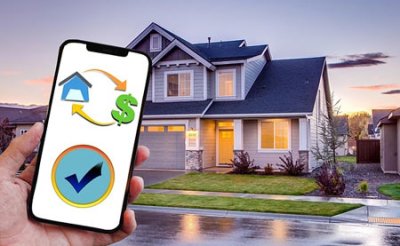
Recently, the market shows that the movement of home prices in Baton Rouge is quite unusual. One market report indicates a rise of 7.2% compared to the previous year, while another report shows that the median price has jumped to $290,277, a 13.61% increase from a year ago. Among the cases I reviewed, there were several instances where properties that used to wait for weeks for buyers last year are now seeing contracts signed at a noticeably faster pace this year.
However, it is important to note that the numbers vary significantly depending on the source. Zillow's average home value is $233,067, which has only increased by 0.4% over the past year, while the median sale price in the Greater Baton Rouge area was $267,000 as of March, reflecting a 4.7% increase. This discrepancy arises from the methodological differences between Zillow's average estimated value for the entire region and other statistics that use actual transaction medians. Regardless of which data you refer to, the overall trend is clearly upward.
The inventory of homes for sale fluctuates between 2 to 4 months depending on the data point, but as of June, it has narrowed down to about 2.06 months, and the average time to sell a home has decreased by 25% to 54 days compared to a year ago. It seems that the trend is becoming increasingly favorable for sellers.
Behind this movement is a noticeable increase in employment. Between May 2025 and May 2026, approximately 7,900 non-farm jobs are expected to be added in the Baton Rouge area, bringing employment to an all-time high of 440,800. This is the highest increase in both absolute numbers and percentage among Louisiana's four major metropolitan areas, and economist Loren Scott predicts an additional 10,500 jobs in 2026 and 11,100 in 2027. Ongoing industrial projects exceeding $20 billion, including the 17,000-acre RiverPlex MegaPark in Ascension Parish, also support this trend.
However, there is one point worth noting. The population of Baton Rouge itself has decreased by 1.95% since the 2020 census, now standing at 221,663. While jobs and industrial investments are increasing, the city's population is declining, indicating that a significant portion of the growth is directed towards Ascension Parish or surrounding suburban areas outside the city limits. When choosing a primary residence, it is advisable to compare the property tax rates and school district assignments between the city and nearby parishes.
For a specific example, the new communities in Ascension Parish have seen a noticeable increase in the proportion of young families moving in over the past 1-2 years. Many have relocated for jobs related to RiverPlex MegaPark, and these families generally prioritize new homes and broader school district options, even if it means a slightly longer commute compared to downtown Baton Rouge.
Louisiana operates a property tax exemption program for owner-occupied homes called the Homestead Exemption, so if you are purchasing a primary residence, it is advisable to check if you can utilize this program before closing. However, the application methods and exemption amounts may vary by parish, so individual verification is necessary.
The national lock-in effect is also influencing the flow of listings in this area. However, Baton Rouge is experiencing a relatively fast influx of new jobs, leading to a quicker recovery of listings compared to other stagnant areas. This is also why transactions continue steadily even with the 30-year fixed mortgage rate hovering around 6.6% according to Freddie Mac.
If you are coming from another state, it is also good to keep in mind that Louisiana has unique property-related regulations and flood insurance costs. Tax rates and insurance premiums can vary significantly by parish, so it is advisable to consult with an expert regarding individual circumstances. This article is intended for general informational purposes, and actual buying or investment decisions should be made after consulting with professionals.
 HoldOnToday
 RedBeanTV






 cheesepup |
 breezem |
 yentra |
 virex |
 vexon87 |
 ORAVEZIN Oppa |
 berrypup |

 werehere |
  problemo |
  galaxy88 |
  breezelove |
  hazelnut |
  Korean News American Blog |
  AH LALA |
  Savion |
  pintos |
  Good Good |
  oh my salami |
  Lemonade Cider Planning Director |
  Way to easy |
  American Hardcore Band |
  Dala Dala |
  Pointy |
  Springs Korea |
  nixon |