

As news comes out that the average 30-year fixed mortgage rate is holding steady at around 6.6 percent as of July 2026, many people are asking if now is the right time to buy. However, in areas like the Bronx, where a clear upward trend is already evident, it's difficult to judge the market based solely on interest rates. Recent market observations show that despite high interest rates, prices in Bronx County continue to rise.
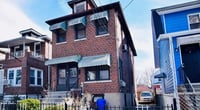
The transaction data I reviewed clearly reflects this trend. According to Redfin, the median sale price in Bronx County in March 2026 was $610,000, which is a 6.6 percent increase from a year ago, and the price per square foot also rose to $364, a 2.2 percent increase. Zillow's ZHVI indicates that the average home value in Bronx County is $492,741, up 5.2 percent. While the two metrics differ due to sample size and calculation methods, they indicate the same direction: the market is still rising. With lower entry prices compared to Manhattan or Brooklyn, both first-time homebuyers and investors looking for rental demand are contributing to the upward pressure.
However, the speed of sales has slowed. Homes are taking an average of 67 days to sell, which is slightly faster than the 72 days from a year ago, but still more leisurely compared to some areas in Manhattan or Brooklyn. Even within the Bronx, conditions vary. In neighborhoods like Riverdale, which are convenient for commuting and have stable school districts, offers come in quickly, while outer areas often have more room for negotiation. In one case I reviewed, a property near Riverdale received three offers within two weeks, while a property in East Bronx took over a month to go under contract after price adjustments. Even within the same county, the temperature of the market can vary significantly by neighborhood.
Regarding interest rates, it's worth considering the lock-in effect. Existing homeowners who secured loans at rates between 3 and 4 percent during the ultra-low interest period from 2020 to early 2021 are hesitant to sell and buy again at current rates, resulting in historically low inventory levels nationwide. The Bronx is no exception to this trend, where limited available properties combined with steady demand keeps prices from dropping. This lock-in effect is unlikely to change until interest rates decrease significantly, so a realistic strategy may be to be prepared to act immediately when properties become available rather than waiting. From the cases I reviewed, buyers who had pre-approved loans and organized recent sales data for their desired neighborhoods were at an advantage in negotiations, while those who did not often found themselves outbid.
If you are a family looking for preferred school districts, I recommend checking the GreatSchools ratings and the actual assigned schools in your areas of interest before making a purchase. If you are coming from another state, be aware that New York City's property tax assessment methods and co-op or condo fee structures differ from those in your previous residence. For investment purposes, even in areas with steady rental demand, it's wise to conservatively account for vacancy rates, maintenance costs, and property tax reassessment risks. The management fees and board approval processes can vary significantly depending on the type of property, such as condos, co-ops, or multi-family homes, so determining the property type first can help reduce trial and error.
In summary, the Bronx is a region with a clear upward trend that cannot be overlooked just because interest rates are high. However, since this trend manifests differently in each neighborhood, narrowing down your areas of interest and directly comparing recent transaction cases may be the most reliable approach in practice. This article is not investment or legal advice, and I recommend consulting with a professional before making any actual contracts.
 RadoMajang
 LoudSilence







 Premium Gas Camp |
 CA Real Estate |
 cheesepup |
 breezem |
 yentra |
 Encyclopedia of New York and Surrounding Areas |
 babybay |
 Another Eden Channel BLOG |
 charmee |
  sweetvan |
  Augusta Univ |
  Round and Round Children's Song Kingdom |
  butter 90 |
  Lando Mao |
  Washington Denzel DJ |
  LIZ Legal Information Blog |
  vegas mom |
  Sandiego Auntie |
  Things to know |
  TEXAS Fishing Boat |
  AUTO OK |
  aaoaa |
  Florida King |
  Study Abroad Life Know-How Tips |
  Conflite Teacher |
  Silent Sea |
  Montgomery Mom |