
The Bronx has a high percentage of low-income residents and a relatively high prevalence of chronic diseases, making the role of healthcare infrastructure particularly important.
This area is home to major medical institutions that represent New York and provide a wide range of healthcare services to local residents.
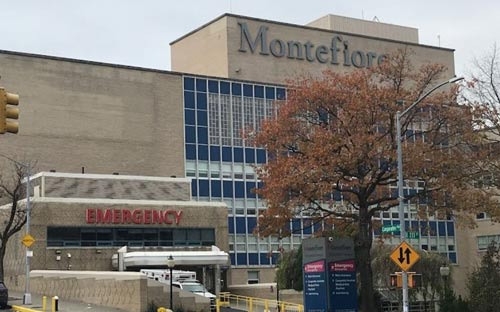
First, Montefiore Medical Center is the largest healthcare institution representing the Bronx. Established in 1884, this hospital has grown to become one of the largest nonprofit healthcare systems in New York State. It is an academic medical center affiliated with Albert Einstein College of Medicine, offering high-quality medical services in various fields such as oncology, cardiology, neuroscience, and pediatrics. It operates multiple campuses and outpatient clinics throughout the Bronx and provides multilingual services, including English and Spanish, to enhance accessibility for immigrant communities. With tens of thousands of employees, it is also the largest employer in the Bronx.
Second is Lincoln Medical Center. This public hospital, part of the NYC Health + Hospitals system, serves as a healthcare hub for the South Bronx area. As a safety net hospital, it provides services to everyone, including low-income and uninsured patients, with strengths in emergency room operations, obstetrics, pediatrics, and mental health services. Reflecting the area's large Hispanic population, it has well-established Spanish language services. The emergency room, which operates 24/7, serves as a primary access point for healthcare for residents in the southern Bronx.
The third is BronxCare Health System (formerly Bronx Lebanon Hospital). Founded in the 1890s, this hospital has a long history and is dedicated to serving the low-income community in the Bronx. Since changing its name in 2018, it has maintained a healthcare approach that emphasizes community connections. It runs specialized programs for managing chronic diseases that have high prevalence rates in the Bronx, such as diabetes, hypertension, and asthma, while also engaging in academic research. The hospital actively operates community health education programs, contributing to preventive medicine efforts.
In addition to these three, the Bronx also hosts NewYork-Presbyterian Allen Hospital's Bronx campus and Jacobi Medical Center, which enhance overall healthcare accessibility. Jacobi Medical Center is designated as a Level 1 trauma center, serving as a key emergency medical hub for severe trauma patients in northern New York City. Additionally, several community clinics and Federally Qualified Health Centers (FQHCs) are distributed throughout the Bronx, providing an environment where uninsured individuals or Medicaid recipients can access healthcare services at relatively low costs.
The healthcare infrastructure in the Bronx has continuously evolved to reflect the complex socioeconomic conditions of the local population. Services that are particularly needed by vulnerable groups, such as chronic disease management, mental health services, maternal and infant health, and substance abuse treatment, are being expanded.
Public health budgets from the city and federal government are consistently allocated to this area, with large academic medical institutions like Montefiore playing a role in connecting research and services. Residents or visitors to the Bronx should familiarize themselves with the locations of these three hospitals for assistance in case of emergencies.
 GottaRunHani
 mintrivertraveler1965
 vibecoasttraveler1982
 Walker1976




 neroyo |
 nivex85 |
 Old English |
 nixxon |
 LIZ Legal Information Blog |
 Another Eden Channel BLOG |
 mistic |
 vale vale |
 Encyclopedia of New York and Surrounding Areas |
 Belgray Miscellany |
  Tora Tora |
  yellowbutter |
  Dolly |
  US Embassy |
  NYC saladbar |
  Finding Superfoods |
  lightyear |
  song bang |
  vexomo |
  Indiana Jones |
  meloncat |
  novapixel |
  mortrix |
  Esther 1983 |
  fortbliss |
  Moscow Kim |
  My Two Way |
  toastyfox |
  FLORIDA Acus |
  tracker |