

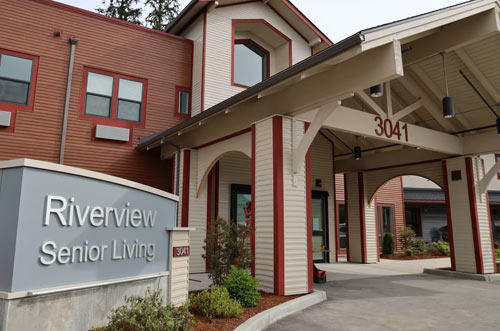
Have you ever considered retiring in Alaska?
While some choose Anchorage as their retirement destination, others believe it may not be suitable for seniors.
What is the actual situation on the ground? Let's objectively examine both sides of the story.
First, the biggest advantage of senior living in Anchorage is the financial benefits and healthcare infrastructure.
Alaska has no state income tax, and every resident receives an annual Alaska Permanent Fund Dividend (PFD).
Depending on the year, this typically ranges from $1,000 to $2,000 per person, providing a small boost to fixed income for couples after retirement.
The healthcare facilities are also well-equipped. There are two major hospitals in the city, Providence and Alaska Regional, offering prompt, professional medical services comparable to those in large cities.
Additionally, the clean air and beautiful natural environment provide a very positive factor for senior health, allowing for light walks or hiking.
On the other hand, the winter climate in Anchorage can be a significant burden for seniors.
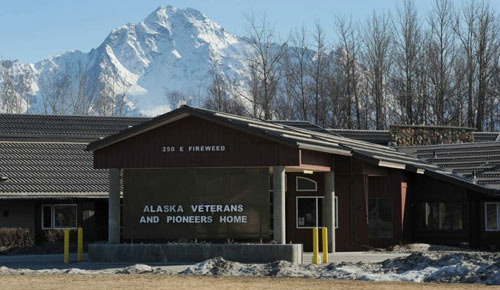
Typically, the long and cold winter lasts from November to March, and icy conditions can dramatically increase the risk of serious falls for the elderly.
With short days and dark winter weather, outdoor activities decrease, necessitating attention to mental health and managing feelings of depression.
The high cost of living and housing is also a concern. The monthly rent for a one-bedroom apartment suitable for one or two people after retirement usually ranges from $1,200 to $1,600.
Moreover, due to its geographical isolation from the mainland U.S., the prices of groceries and essential goods are significantly higher than the national average.
Especially in winter, the burden of heating costs increases substantially over long periods.
For retirees living on pensions or limited fixed incomes, these monthly expenses can be quite a heavy burden.
As a result, the lifestyle of 'snowbirds' is very popular among Anchorage residents. From the cold months of November to February or March, they travel to warmer places in the mainland U.S., such as Hawaii, California, or Arizona, and return to Anchorage when the weather becomes wonderfully pleasant in spring and summer.
Of course, maintaining residences in two locations or staying long-term requires financial means. If you buy a second home in a warm area or rent a long-term condo, depending on the location, you may need to cover additional housing and living costs of at least $2,000 to $3,500 per month.
In conclusion, Anchorage is a city with stark pros and cons. It offers attractive features like tax benefits, excellent hospitals, and unspoiled nature, but the high cost of living and harsh winter ice roads present realistic obstacles.
If you are a senior considering retirement, it is advisable to carefully evaluate your health status, financial situation, and alternatives for dealing with the cold before choosing a place to live.
 ShowOff619
 sunsetforestwalker1932







 MEDBIO American Doctor Blog |
 Burbank Lee |
 vibranto |
 sparkling |
 oh my salami |
 Alaska Salmon Buyer |
 Anchorman |
 AL ALASKA |
 Sunny's Travel in America |
 Where is a really nice neighborhood? |
  Real Estate |
  Forest Gump |
  Real Estate Investment Korean American |
  Dollydori, Lover of Movies |
  dmzline |
  travelo |
  American Food Information & Calories |
  Splendid Mission |
  sparklingo |
  Watch Walker |
  Soy Angelino |
  autumn |
  K-POP TV News |
  cortiva6 |
  Nevada Teppanyaki |
  aerion99 |
  Golado |
  Maximum Pro |
  Joyce blog |