
When I first came to Las Vegas decades ago, the impression was that this city was heavily reliant on casinos for its livelihood.
Casino dealers lived on tips, restaurant staff lived on tips, and it seemed like everyone working in hotels was surviving on money from tourists.
Back then, it wasn't as common to hear about people buying homes and raising kids in Las Vegas as it is today.
However, these days, Las Vegas has changed significantly. While casinos and hotels remain the economic center, logistics centers are coming in, healthcare jobs are increasing, and many IT professionals working from home have moved here.
In particular, I feel that the atmosphere of the city has changed with people moving in from California, tired of high home prices and taxes.
According to data from the U.S. Census Bureau, the median household income in Las Vegas is about $74,000.
While this isn't exceptionally high compared to the national average, Nevada does not impose a state income tax on individuals.
So, even with the same salary, you might have a bit more left in your paycheck compared to living in California or Oregon.
Of course, just because there are no taxes doesn't mean that the cost of living is automatically low. Car insurance rates are significant, and electricity bills can be quite high in the summer due to air conditioning.
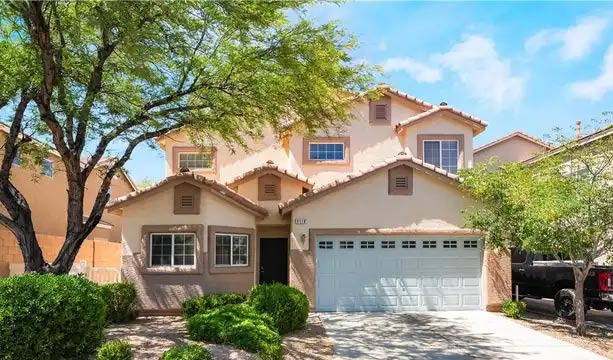
Home prices have risen significantly compared to the old Las Vegas. As of mid-2026, the median sale price of homes in Las Vegas according to Redfin is about $450,000,
and Zillow's average home value is around $425,000. Recently, as inventory has increased, prices have started to decline slightly, but for those who remember prices from 20 years ago or before the pandemic, it still feels expensive.
With an income in the $70,000 range and home prices in the mid-$400,000s, it roughly equates to nearly six times the annual income. Adding mortgage rates, property taxes, and insurance makes it quite challenging for young couples to save enough to buy a home.
Still, compared to buying a similar home in Los Angeles or San Diego, having options is an advantage of Las Vegas.
There are also significant regional differences. Areas like Henderson and Summerlin have clean homes and well-maintained schools and parks, but prices and household income levels are generally high.
Conversely, some older downtown areas or parts of North Las Vegas have relatively lower home prices, but you need to consider schools, safety, and commute distances as well. Not all of Las Vegas is the same.
If in the past it felt like a city where people came to make money and then left, now it has become a city where families struggling to buy homes in California are actually settling down.
However, it's misleading to think that just because there are no taxes, everything is cheap.
Fortunately, Las Vegas now has H Mart, which has made things much more convenient. In the past, many people had to visit several small Korean markets or shop in LA to buy Korean ingredients, but now that inconvenience has greatly reduced. There is a wide variety of products, including kimchi, side dishes, Korean fruits, meats, seafood, and ready-to-eat meals, making shopping much easier.
While it may be challenging these days, if you choose wisely based on the area, I believe Las Vegas is still a realistic city to consider for homeownership in the West.
 ShabuBattle
 VelvetStone97








 yentra |
 virex |
 vexon87 |
 seouljung |
 Well Done Sir |
 vegas mom |
 korvix |

 Home Run King Byeon Seung-yeop Blog |
 neroyo |
  Conflite Teacher |
  summita |
  Ari Songhan American Immigration Life |
  marketbox |
  Investment Campus Home Ownership |
  Iowa Egen Aunt |
  donut33 |
  gravity |
  American Golf Course Travelogue |
  There Are Such Things in the World |
  Agenda Center |
  digital |
  timemachine |
  Starry Eyes |
  Desert King |
  Texas Real Estate Blog |
  U.S. Retirement Pension Information |
  Seattle - Emerald City |
  Texas Migration Story |