
Before moving to Lynnwood, I had never seriously considered bugs.
Being in the Pacific Northwest, I assumed it would just be rainy and cloudy, but once I started living here, I realized there are quite a few bug-related things to keep in mind.
Since I was organizing my thoughts, I decided to focus on confirmed facts rather than just feelings.
The conclusion is that it's much better to be informed and prepared than to be caught off guard.
The humid and mild climate in this area creates excellent living conditions for various bugs.
I also confirmed that there are ongoing complaints about pests in the Lynnwood area.
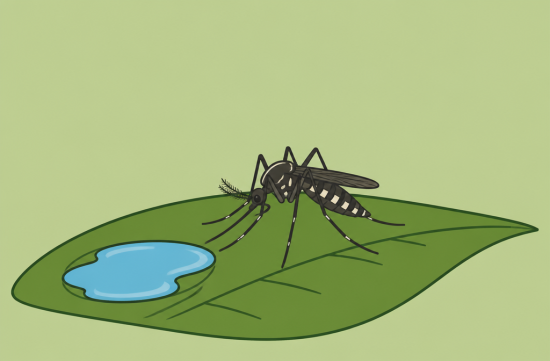
Starting with mosquitoes, the active season in this area lasts from May to October, which is longer than I expected.
Puddles and shaded backyards with clogged drains are typical breeding grounds, and simply removing standing water from plant saucers can prevent about half of the problem.
In the Pacific Northwest, there have been reports of West Nile virus transmission, so mosquitoes are not just a nuisance.
Once you know that mosquitoes can carry viruses, it's hard to overlook them.
Outdoor activities in the evening tend to see the most mosquito activity, so I always keep insect repellent on hand throughout the summer.
Ticks are another concern that I personally pay more attention to.
It has been confirmed that deer ticks, which can carry Lyme disease, are present in Lynnwood, but they are so small that they are hard to spot.
When visiting wooded areas like Meadowdale Beach Park or Lindale Park, I make it a rule to wear long sleeves and long pants and use DEET-based insect repellent.
These two parks are places I frequently visit for walks, so it feels very relevant.
After hiking, I make sure to thoroughly check my entire body, and if I find any ticks, I remove them immediately with tweezers.
Since Lyme disease is easier to treat when caught early, I try not to take this lightly.
Roaches are another important topic.
It has been confirmed that German cockroaches inhabit the Lynnwood area, and allergens found in their droppings and shed skins have been medically proven to worsen asthma and allergies.
Especially for children, the impact can be more significant, so if you have kids, this is something to be particularly sensitive about.
Managing food around the kitchen and sealing gaps is key to prevention, and leaving food unsealed is essentially an open invitation.
If an infestation has already occurred, hiring a professional service is the quickest solution, and local companies in Lynnwood offer seasonal pest control services, which is worth noting.
I was a bit surprised to learn that many households take pest control seriously.
Ants seem to be the most frequently encountered bugs in homes.
The common species in Lynnwood is Formica obscuripes, which rarely causes direct allergic reactions, but large invasions can lead to hygiene issues.
Sealing exterior gaps and storing sweet foods in airtight containers is effective, and since invasions tend to increase in spring, it's better to address this beforehand.
Though they may seem minor, seeing them come in a line can be quite concerning.
Finally, the most serious concern is anaphylaxis from bee stings.
Wasps and bees are common throughout Washington state, so anyone with a history of allergic reactions should always carry an EpiPen.
If you frequent parks or wooded areas, I believe this is something that should be checked thoroughly, like data verification.
While you might postpone preparations for other bugs, this is one thing you shouldn't delay.
Looking at it this way, I realize that the bugs to watch out for change with the seasons.
In spring, it's ants; in summer, mosquitoes and bees; and from late summer to fall, it's ticks, creating a natural order of precautions.
In summary, removing standing water for mosquitoes, checking your body for ticks after hiking, managing food for cockroaches, and preparing an EpiPen for bees—just these four precautions can significantly reduce bug risks in Lynnwood.
While it's impossible to avoid them completely, being informed and prepared makes it manageable.
When it comes to natural risks, developing a habit of checking precisely rather than relying on intuition is ultimately the most effective approach.
 CrystalStone96
 ToastWizard


 Jimbeam 88 |
 Taco Bell Candy Note Blog |
 Splendid Mission |
 Florida Gario |
 DelphiaMo |
 forward |

 harvest |
 Seattle WA |
 digital |
  timemachine |
  Starry Eyes |
  Desert King |
  Texas Real Estate Blog |
  U.S. Retirement Pension Information |
  Seattle - Emerald City |
  Texas Migration Story |
  Unknown Dog Walk blog |
  California Dreamer |
  Bearded Strawberry Smoothie |
  JESIKYEOALBA BLOG |
  Heart Ticker |
  Jellia Angel |
  Moo Tang Clan |
  Khan Film Blog Production |
  yenne |
  neroyo |
  Peter Pan Pet |
  solvix18 |