

It's common to see military personnel or employees considering whether to sell or rent their home when relocating to another city in another state.
Recent market trends show that Jacksonville has a steady demand for rentals, leading more people to choose to rent out their homes rather than sell them quickly.
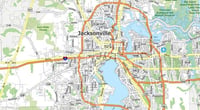
You need to determine the rental price first. According to Zumper data, as of July 2026, the average rent in Jacksonville is $1,575.
A one-bedroom apartment averages around $1,100, while a two-bedroom goes for about $1,400. This is 19% lower than the national average.
There have been instances where properties were listed for nearly $200 above market value and remained vacant for months. Starting at market value is ultimately faster.
Once you've set the rent, you can list your property on sites like Zillow and Apartments.com. If you're living in another area due to your job, it may be difficult to show the house in person, so using a management company to show it on your behalf is an option. It's essential to provide accurate photos and details.
When selecting tenants, check their credit score, income verification, and previous rental history. Many landlords look for a tenant's income to be about three times the rent. If you're choosing tenants remotely while living in another area, it's even more important to thoroughly check credit and rental history since you have fewer opportunities to meet them in person.
Once a tenant is selected, it's especially important to document the condition of the home with photos and videos before handing over the keys. Since you may not be able to check the property in person, walking through with the tenant to record the condition of the walls, floors, and appliances, and getting their signature on a checklist can make resolving disputes easier later on.
The lease should include all details such as rent amount, payment dates, security deposit, lease term, and maintenance responsibilities. Especially if you're managing from another location, it's wise to specify who to contact for repair requests and how urgent repairs can be handled by the tenant without prior approval. Including a requirement for Renters Insurance can also help clarify responsibilities in case of fire or theft.
In Florida, there is no cap on security deposits. It's common to set the deposit between one to two months' rent. If there are no deductions, the deposit must be returned within 15 days, and if there are deductions, you must notify the tenant in writing within 30 days. If you miss this deadline, you may have to return the entire deposit.
If a tenant falls behind on rent, the first step is to issue a three-day notice to pay rent or vacate. For lease violations, a seven-day notice to cure is required first. If you need to evict a month-to-month tenant, you must give 30 days' notice. If you're managing the property remotely, hiring a management company to handle these procedures can be beneficial.
If you've decided to rent, you should also review your insurance. Homeowner's insurance for owner-occupied properties and landlord insurance have different coverage. If you're managing the property remotely, it's crucial to ensure that your insurance coverage is comprehensive, especially since you may not be able to check on the property in person after an incident. If you're using a management company, it's also wise to specify in the contract what they will handle.
If you're renting out for the first time in Jacksonville, you should follow the steps of checking market rates, screening tenants, and drafting the lease in order. The more you manage remotely, the more helpful it is to document each step, and having a single point of communication with your management company can reduce confusion.
 AwaitLotto
 MorningStone95






 Sugar Cream Door Bulletproof Noodles |
 urbanmint |
 |
| 
 Premium Gas Camp |
 CA Real Estate |
 Kims Spring |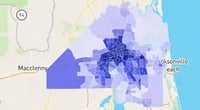
 Taco Bell Candy Note Blog |
 US Home Buying Information Home Insurance |
 Good Good |
  Well Done Sir |
  UCLA Captain |
  lattecu |
  dynamite |
  frostingline |
  Hakuna Matata |
  Your Curiosity Resolved |
  Way to easy |
  Chino Min |
  nexabyte |
  moonshine 7 |
  Sunset Oregon |
  victoria 68 |
  golfmaster |
  Montgomery Mom |
  squidogame |
  Noodle Noodle |
  Rhode Island Good People |
  Big North |
  Famous Attractions in the United States |
  Jin Soo V |