
Located in central Michigan, Lansing is not typically considered a region prone to natural disasters, but it is important for residents to be aware of the unique weather risks in the area. In particular, heavy snow, tornadoes, strong winds, and spring flooding are natural phenomena that can significantly impact Lansing and its surrounding areas.
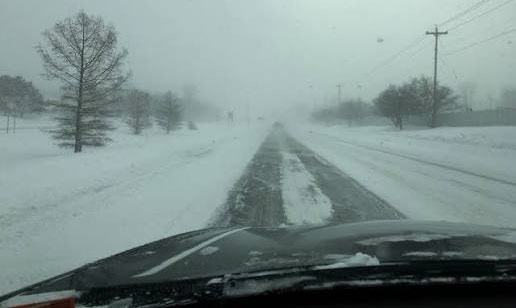
Heavy snow (Winter Storm / Blizzard) is the most frequent natural disaster in Lansing. Michigan experiences more snowfall than expected due to the lake effect, but Lansing is quite far from the lake, so it is more affected by system snow rather than pure lake effect snow.
The average annual snowfall is about 55 to 65 inches (approximately 140 to 165 cm), and snowstorms can bring more than 10 inches of snow in a single day during the winter season, occurring 1 to 2 times. During heavy snow periods, the risk of accidents increases due to icy roads and reduced visibility, making winter tires or all-season tires practically essential. While Lansing actively deploys snowplows and spreads calcium chloride on the roads, snow removal on side streets can often be slow compared to major thoroughfares.
Tornadoes are not as common in Michigan as in Tornado Alley, but they can occur between May and August. The state reports about 15 to 20 tornadoes annually, and the Lansing and Ingham County areas are included in tornado watch/warning zones.
In 1953, a large tornado struck near Flint and Lansing, causing significant damage, marking a historical record. When tornado sirens sound, the basic evacuation guideline is to immediately move to a basement or the lowest central floor of a building. It is advisable to check for the presence of a basement when choosing a residence.
Spring flooding is another risk factor that requires attention. The Grand River and Red Cedar River can experience rapid rises in water levels as snow melts in the spring, which can lead to flooding in low-lying homes or apartments along the riverbanks.
In 2013, parts of Lansing were flooded due to the Grand River overflowing, leading to evacuation orders for residents. It is essential to check the FEMA flood maps for any potential new home, and if it falls within a flood risk area (Flood Zone A/AE), it is advisable to consider enrolling in flood insurance through the National Flood Insurance Program.
Strong winds and thunderstorms also require seasonal caution. In spring and summer, severe thunderstorms can occur, bringing risks of downed trees, power outages, and lightning strikes. Emergency alerts for the Lansing area can be received on smartphones through the FEMA app, the National Weather Service (NWS) Detroit/Pontiac office, and Wireless Emergency Alerts (WEA). It is wise to prepare a basic emergency kit in advance, including a flashlight, batteries, and emergency food supplies.
 TOMTOM
 moon10







 Arizona AZ Cowboy |
 Valley Hong |
 Mr Oh |
 ollege Mom |
 Helpful Life Stories |
 sugartrail |
 vibranto |
 raspberry7 |
 bloom |
 starline |
  Where is a really nice neighborhood? |
  Real Estate |
  Forest Gump |
  Real Estate Investment Korean American |
  Dollydori, Lover of Movies |
  dmzline |
  travelo |
  American Food Information & Calories |
  Splendid Mission |
  sparklingo |
  Watch Walker |
  Soy Angelino |
  autumn |
  K-POP TV News |
  cortiva6 |
  Nevada Teppanyaki |
  aerion99 |
  Golado |
  Maximum Pro |