
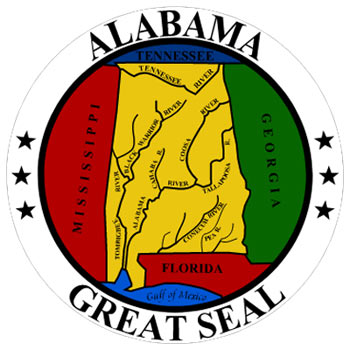
The population of Alabama is steadily growing.
According to the 2020 U.S. Census, Alabama's population is approximately 5 million, which is about a 5% increase over the past decade. The main factors contributing to the state's population growth are as follows:
- Migration from outside the state: People are moving to areas like Birmingham and Huntsville, where the technology industry is growing, and regions offering affordable living costs are emerging as major migration destinations.
- Natural population increase: Alabama's birth rate is similar to the national average, but the decline in birth rates due to an aging society is affecting population growth.
However, compared to southern states like Texas and Florida, population growth is somewhat slower, and some rural areas are experiencing population decline.
Racial Background
Alabama is home to people from various racial backgrounds, including White, African American, Hispanic, and Asian. According to the 2020 Census, the major racial distribution in Alabama is as follows:
White (non-Hispanic): About 65% of Alabama's population is White. This is the state's largest demographic group, particularly prevalent in rural areas and small towns.
African American: Approximately 27% are African American. Given that Alabama was a center of the civil rights movement, the culture and history of African Americans are significant in the region.
Hispanic/Latino: About 3%, with many of Alabama's Hispanic population coming from Mexico and Central America, primarily working in agriculture and construction. The Hispanic population has been steadily increasing in recent years.
Asian: About 2%, with Asian residents coming from India, China, Vietnam, and Korea. The populations of Indian and Korean descent have particularly increased in the Huntsville and Birmingham areas.
Mixed and Native American: The mixed and Native American population is about 3%, showcasing the state's diversity. The Cherokee and Choctaw tribes are the largest Native American groups in the state.
Racial Distribution by Region
Urban areas: Cities like Birmingham, Huntsville, and Montgomery exhibit significant racial diversity. Huntsville has seen an increase in Asian and Hispanic populations due to the growth of the technology industry, while Birmingham has a high proportion of African American residents.
Rural areas: Many rural areas still show a predominantly White demographic structure, and some regions are experiencing population decline.
Future Population Trends
Alabama is expected to continue urbanization and multiculturalism in the future. In cities like Huntsville and Birmingham, where the technology and automotive industries are growing, people from diverse racial backgrounds will continue to move in. Additionally, the Hispanic and Asian populations are expected to keep increasing, further enhancing Alabama's multicultural characteristics.
While White and African American populations make up the major demographic groups in Alabama, the increase in Hispanic and Asian populations is also notable. In the future, Alabama's racial diversity will likely grow due to the technology industry and immigration, which will significantly impact cultural change and economic growth.





 Alabama Bang |
 Information on All Regions of the United States |


 Skyline |
  laro90 |
  MEDBIO American Doctor Blog |
  SWAT TEAM BLK |
  DREAM BIG |
  frostbite |
  330 Forever My Love |
  El Dorado |
  dralix58 |
  Gorama Round |
  Skydiving |
  dreamport |
  Yellow Snowman |
  Toaster Pizza Magic Show |
  velvetnom |
  Anytime Journey |
  Mrs. Duluth |
  jaxter |
  Atlanta Mama |
  Baguette Blog |
  Tan Sol |