
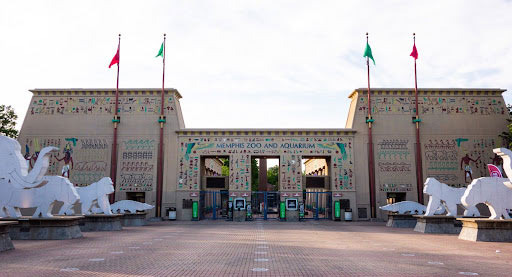
Memphis is a city located in the southwestern part of Tennessee and is one of the most important cultural and historical centers in the United States.
It is particularly well-known as a historic site for blues music and the civil rights movement, playing a significant role as a center for various industries and the economy. Below, we will take a closer look at the history, economy, weather, location, and Korean population of Memphis.
History of Memphis
Memphis is a city situated along the Mississippi River, originally inhabited by Native Americans, with Europeans arriving in the mid-18th century. Founded in 1819, Memphis quickly grew to become an important center for trade and commerce in the southern United States.
- 19th and early 20th centuries: Memphis thrived as a center for the cotton industry and slave labor. This area was closely linked to the southern economy of the United States, with river transport via the Mississippi River playing a crucial role.
- Blues music: In the early 20th century, Memphis established itself as the birthplace of blues music. Historic sites like Graceland (the home of Elvis Presley) added cultural depth to the city.
- Civil rights movement: In 1968, Martin Luther King Jr. was assassinated in Memphis, making this city a symbolic location for the civil rights movement.
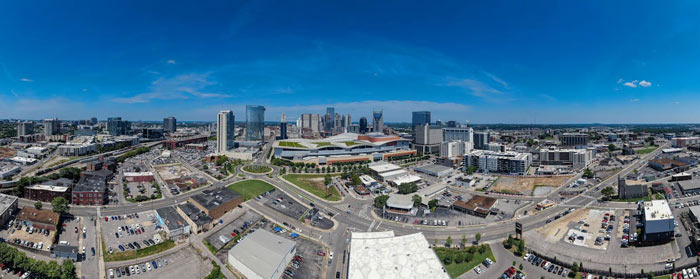
Economy of Memphis
Memphis plays a significant role in various industries, including logistics, healthcare, music, and transportation.
Memphis is well-known as a logistics hub, being the home of FedEx's headquarters. FedEx provides global shipping services, establishing Memphis as a center for international logistics. Memphis International Airport is a key hub for logistics flights, with many logistics and transportation-related companies headquartered here.
Memphis is also a city with a developed healthcare industry. The Medical District is home to institutions like Regional One Health and the University of Tennessee Health Science Center, which provide essential medical services and research. The healthcare industry in Memphis plays a vital role in the local economy, employing many people in healthcare-related jobs.
Memphis has played an important role in genres such as blues, rock and roll, and soul, making the music industry one of the key economic pillars. Graceland attracts numerous tourists to honor Elvis Presley and his musical legacy, contributing to the activation of the business and tourism industries.
Memphis is an active manufacturing city, with companies operating in various fields, particularly in automotive, chemicals, and food processing. Industries such as motorcycles, appliances, and food packaging are crucial elements supporting Memphis's economic growth.
Weather in Memphis
Memphis has a humid subtropical climate, with distinct four seasons. Summers are hot and humid, while winters are mild.
Summer features hot and humid weather, with average temperatures ranging from 25°C to 35°C, and temperatures exceeding 40°C in July and August. Thunderstorms and showers are common during the summer.
Winters are relatively mild, with average temperatures between 1°C and 10°C, and occasionally, after a strong cold snap, snow may fall. However, snow or ice is very rare.
Spring and autumn have mild weather, with average temperatures fluctuating between 10°C and 25°C. Spring often sees significant rainfall, and thunderstorms and tornadoes can occur during this season.
Location
Memphis is located in the southwestern part of Tennessee, stretching along the Mississippi River. It boasts a strategic location as a center for transportation and logistics, bordering Mississippi, Arkansas, and Missouri.
- Main road network: Memphis is traversed by major highways such as I-40, I-55, and I-240, with bridges crossing the Mississippi River connecting the city to the outside.
- Air transport: Memphis International Airport plays a crucial role in both logistics and passenger transport.
Korean Population
It is estimated that around 6,000 to 7,000 Koreans reside in Memphis. The Korean community constitutes an important part of the multicultural society of this city, engaging in various fields. Many Koreans work in restaurants, retail, and healthcare, with Korean restaurants and community centers thriving. Additionally, cultural events and Korean language schools are operated, helping to maintain Korean culture and traditions while interacting with the local community.
Memphis is a city that plays a significant role in various industries such as music, healthcare, and logistics. Known as the birthplace of blues, this city combines cultural heritage with industrial development, establishing itself as an important economic center that has grown along the Mississippi River. Furthermore, Memphis has a multicultural environment, with an active Korean community. All these elements contribute to making Memphis an important city in the southern United States.





 nexabyte |
 Goroke Geureoke News |
 greenloop |

 laro90 |
  MEDBIO American Doctor Blog |
  SWAT TEAM BLK |
  DREAM BIG |
  frostbite |
  330 Forever My Love |
  El Dorado |
  dralix58 |
  Gorama Round |
  Skydiving |
  dreamport |
  Yellow Snowman |
  Toaster Pizza Magic Show |
  velvetnom |
  Anytime Journey |
  Mrs. Duluth |
  jaxter |
  Atlanta Mama |
  Baguette Blog |
  Tan Sol |