
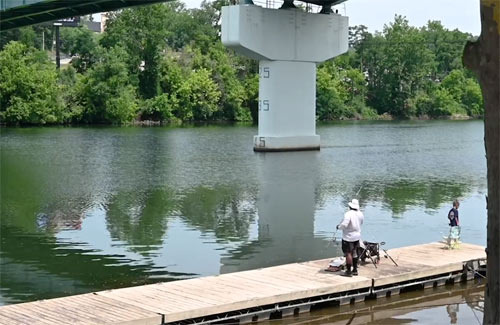
Have you ever thought seriously about natural disasters while living in Morgantown?
This city is nestled in the Appalachian Mountains, offering a rich natural environment, but it also comes with clear risks from climate and terrain.
If you live in or visit this area, it's essential to take a look at the current state of natural disasters. To be properly prepared, you need to be aware of both the beautiful nature and the potential dangers. Understanding the situation accurately and acting accordingly, like a hunter, is the key to disaster preparedness in my view.
First, let's talk about earthquakes. There have been no recorded instances of earthquakes of magnitude 3.5 or higher near Morgantown.
The likelihood of earthquake damage is similar to the West Virginia average and much lower than the national average. In terms of earthquakes, this area can be considered relatively safe. On the other hand, tornadoes tell a different story. Historically, there have been 26 recorded tornadoes of magnitude 2 or higher near Morgantown.
This is higher than the West Virginia average but lower than the national average. While it doesn't compare to the frequency of tornadoes in the Southern Plains, it's not entirely a foreign issue. In fact, tornado warnings are issued occasionally. It's a good idea to register for the warning system. Maintaining a state of readiness is crucial.
The most significant risk to pay attention to is flooding. Flooding caused by record rainfall is considered the most severe and costly natural disaster in West Virginia.
Historically, the 1972 Buffalo Creek flood resulted in 125 deaths due to a dam failure, and in November 1985, 38 people lost their lives due to the remnants of Hurricane Juan combined with another storm. During the major flooding in 2016, Morgantown itself did not suffer significant damage, but there were impacts across the state, and records show that Morgantown residents stepped up to support the displaced. Monongalia County manages flood history separately. If you live in low-lying areas or near rivers, you must consider flood insurance.
Landslides cannot be overlooked either. West Virginia is one of the states with the highest per capita landslide damage in the U.S. According to the West Virginia Geological and Economic Survey (WVGS), most slopes in this state are particularly vulnerable to landslides during heavy rainfall or snowmelt.
Considering the mountainous terrain around Morgantown, this is not just a theoretical risk but a real danger. To prepare for natural disasters, checking flood insurance, preparing an emergency kit, and registering for local emergency alert systems are practical first steps.
Knowing the risks and preparing is the best response. Morgantown is a beautiful place, but the natural environment is not to be taken lightly without preparation. For those who are ready, the nature of Morgantown is a great gift, but for those who live without preparation, that nature can become a threat. If you've decided to live in this city, preparing for natural disasters is a necessary task.
An emergency preparedness kit can be surprisingly simple to assemble. A flashlight and extra batteries, three days' worth of water and food, essential medications, and copies of important documents are the basics. By signing up for alerts on the Monongalia County emergency management website, you can receive real-time disaster warnings.
West Virginia's nature is beautiful but not to be underestimated. It's wise to be informed and prepared. Especially during the spring thaw and fall rainy season, the risks of landslides and flooding increase. If you live in low-lying areas or at the foot of mountains during this time, it's essential to monitor local weather alerts more closely.
 PuddingBuddy





 TEXAS Fishing Boat |
 Study Abroad Life Know-How Tips |
 pravix22 |
 American Hardcore Band |
 Rice Shop Uncle BLOG |
 silver |
 Gomex Korea |
 Freedom Yea |
 Oz's Wow Company |
 castle |
  Caribbean |
  Let's Be Like a Salt-like City Person |
  Belgray Miscellany |
  sweetvan |
  Augusta Univ |
  Round and Round Children's Song Kingdom |
  butter 90 |
  Lando Mao |
  Washington Denzel DJ |
  LIZ Legal Information Blog |
  vegas mom |
  Sandiego Auntie |
  Premium Gas Camp |
  Things to know |
  AUTO OK |
  aaoaa |
  Florida King |
  Encyclopedia of New York and Surrounding Areas |