
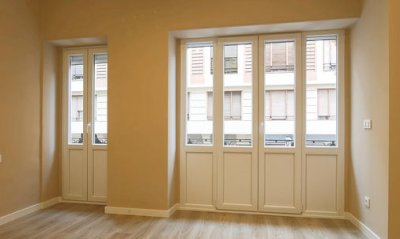
In the past, loan approvals for condos in the Rochester area were relatively straightforward. As long as buyers had a good credit score and income, they were likely to get approved without much hassle. However, in recent years, banks have started to closely examine the financial statements and reserve ratios of buildings, leading to an increase in cases where loans are denied for buildings that appear to have low HOA fees.
The median HOA fee for condos in Monroe County, where Rochester is located, is about $281 per month (communitypay.us). The average HOA fee in New York State is $886 per month, but this figure is skewed by high-end condos in Manhattan and Brooklyn, while upstate areas tend to have much lower fees (hoacosts.com). For instance, a townhome owner in Rochester saw their HOA fee rise from $235 per month in 2021 to $385 in just five years, and in 2023, they had to pay a total of $3,000 in special assessments for reserve fund replenishment and roof repairs (bankrate.com).
There are three main reasons for the increase in HOA fees. First, rising operational costs such as labor and insurance. Second, adjustments to make up for previously insufficient reserve funds. Third, the need for major repairs in aging buildings. Particularly for buildings that have kept their HOA fees low while lacking adequate reserves, there is a significant risk of sudden special assessments when it comes time to replace roofs or plumbing.
One of the key factors banks look at for loan approval is the reserve fund. Fannie Mae has required a minimum reserve allocation of 10% of HOA income, and starting January 4, 2027, this requirement will increase to 15% (governingdocs.dev). Buildings with high delinquency rates or ongoing litigation may be classified as non-warrantable condos, making it difficult to secure loans.
New York State does not have a specific state-level mandate regarding condo reserve funds. There is an exception in New York City's ordinance that requires 3% of the sale price to be set aside as a reserve fund during condo conversions, and a bill (A8945/S7600) to mandate a 30-year reserve fund plan has been stalled in committee as of mid-2026 (propfusion.com). The lack of such legal requirements in upstate buildings makes it even more crucial for buyers to conduct their own due diligence.
Nationally, HOA fees average between $200 and $400, while high-end condos with many amenities can have fees ranging from $500 to over $1,000 (nar.realtor). In upstate areas like Rochester, where there are many older buildings, it's important to note that while HOA fees may be low, the need for major repairs due to the age of the buildings may be imminent.
Families moving to Rochester from other states may overlook certain aspects while budgeting based on their previous property tax or HOA fee experiences. Property taxes in New York State vary significantly by county, so it's essential to verify this information. If you are looking in areas with school districts favored by Korean families, consider both the school district ratings and the level of HOA fees, but keep in mind that school district boundaries can change frequently, so it's advisable to check the assigned school for the specific address before purchasing. Investors looking for rental income should also verify any rental restrictions under CC&Rs.
Here's a checklist of what to confirm before signing a contract:
- History of HOA fee increases over the past 3-5 years
- Current reserve fund balance and ratio on financial statements
- Whether a reserve study has been conducted
- Rate of delinquent units and history of litigation
- Non-warrantable status at the time of loan approval
For buildings that have maintained low HOA fees for a long time, understanding the reasons behind this can provide valuable insights in practice. Property taxes and loan conditions can vary by county and financial institution, so it's advisable to verify these details based on individual listings. This article does not constitute investment or legal advice, and consulting with a professional before finalizing any contracts is recommended.
 vibeforestwalker1997
 NightWriter






 |
| 
 Premium Gas Camp |
 CA Real Estate |
 cheesepup |
 breezem |
  Misstic M |
 molten |
 Yoyma |
 Elastico |
 explorer |
  dictionary |
  Mr Bull Jung |
  radiant |
  Georgia 88 |
  Great TOWN NEWS |
  Open Flex Mind |
  Hartford Blog |
  unified |
  Generation X |
  ringwinds |
  American Food Information & Calories |
  Hawaii Maui Kahului |
  calvorn |
  fernando park |
  newyorker 101 |
  coffeee |
  |
|  Christopher |
  sylven |