
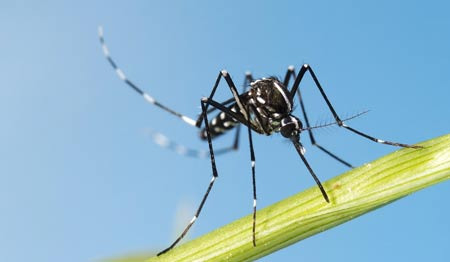
Queens Village and the nearby eastern Queens area have wetlands and wooded areas, including Alley Pond Park, which means caution is needed for mosquitoes and ticks during the summer. There are two main types of mosquitoes found in this area.
The first is the Asian Tiger Mosquito (Aedes albopictus), an aggressive species that is active during the day. The second is the Common House Mosquito (Culex pipiens), which is primarily active at night and is a major vector for the West Nile Virus. The New York State Department of Health conducts West Nile Virus surveillance activities every summer in New York City, including Queens, and will issue alerts if infected mosquito pools are found. While many cases may pass without symptoms, caution is advised for the elderly and immunocompromised individuals, as it can lead to encephalitis.
While tick issues are more severe inland in Long Island or northern New York State than in Queens Village, caution is still necessary when engaging in outdoor activities in natural parks like Alley Pond Park or Forest Park. The types of ticks found in the Queens Village area include the American Dog Tick, Black-legged Deer Tick, and Lone Star Tick. The Black-legged Deer Tick is a primary vector for Lyme Disease, with peak activity occurring from spring to summer (May to July). The Lone Star Tick does not transmit Lyme Disease but can cause Rocky Mountain Spotted Fever and Alpha-gal Syndrome (which triggers red meat allergies), so extra caution is warranted.
In terms of allergies, the spring pollen season unique to New York City also applies to Queens Village. Particularly, tree pollen (from birch, oak, etc.) peaks between April and May, grass pollen peaks from June to August, and ragweed pollen is a major allergen from late August to September. In neighborhoods like Queens Village, which have single-family homes and many trees, allergy symptoms may be more pronounced during the allergy season. It is especially helpful to shower or change clothes immediately after outdoor activities on windy days.
Additionally, cockroaches are common urban pests throughout New York City, with older buildings experiencing higher frequencies of infestations. Given that Queens Village has a proportion of older homes, it is generally recommended to check the condition of the building before moving in and to have pest control treatments done at the beginning of residency. Wasp and hornet-related incidents can also occur sporadically during the summer, so if nests form in gardens or under eaves, it is safer to use a professional pest control service rather than attempting to remove them yourself.
 goldenriverfox1952
 joyfulroadtraveler2000
 CornFireworks








 neroyo |
 nivex85 |
 Old English |
 nixxon |
 LIZ Legal Information Blog |
 Tomato Health Club blog |
 Open Flex Mind |


 Moo Tang Clan |
  Korean Mom |
  My NYC |
  moo moo |
  Mr Oh |
  forevergee |
  festival |
  manchester |
  constant |
  Leapfrog Move |
  vibranto |
  Tora Tora |
  yellowbutter |
  Dolly |
  US Embassy |
  NYC saladbar |
  Finding Superfoods |
  lightyear |
  song bang |
  vexomo |
  Indiana Jones |