
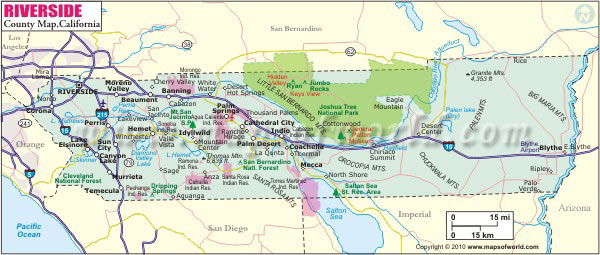
Riverside, the central city of the Inland Empire. According to the Census ACS 2023, the median household income in this city is $74,000.
This is close to the national average of $78,538, but about 6% lower. Compared to other cities in the Inland Empire region, such as Rancho Cucamonga ($95,000) or Corona (over $95,000), there is a noticeable difference. The figures indicate that Riverside has a certain income gap compared to nearby cities, and it is necessary to examine the structural reasons behind this.
The most significant factor affecting Riverside's income structure is the presence of UC Riverside (UCR). The typical pattern seen in college towns, where student households pull down the median income, is also observed in Riverside. Tens of thousands of students reside here, contributing part-time income or no income at all, which lowers the overall median household income in the Census statistics. If student households are excluded from the calculations, the median income in Riverside is likely to rise above $80,000.
However, Riverside is not simply a college town. As the county seat, it has a large number of public administration and court-related jobs, and major healthcare institutions like the Riverside University Health System employ many high-income professionals. Additionally, logistics, manufacturing, and construction are also key sectors of Riverside's economy. The geographical advantage of being a logistics hub where the 215, 91, and 60 freeways intersect creates steady employment in warehousing, transportation, and logistics management.
Looking specifically at the real estate market, the median price of single-family homes in Riverside ranges from $550,000 to $680,000. This is 30-40% lower than in LA County and much more affordable compared to Orange County. Assuming a household with an income of $74,000 has a 20% down payment, the monthly mortgage burden for a $550,000 home would be around $3,000 to $3,500 at current interest rates. Since more than half of the pre-tax monthly income of about $6,200 would go towards the mortgage, it could be tight for single-income households. For dual-income households, a combined income of over $110,000 would likely make homeownership feasible.
The rental market is relatively more accessible. The average monthly rent for a one-bedroom in Riverside is between $1,700 and $2,100, while a two-bedroom ranges from $2,000 to $2,500. This is about $500 to $800 lower than in LA or Orange County, making it less burdensome for households moving from LA. Areas near UCR have slightly higher rents due to student demand, while regions further from downtown towards Corona offer more reasonable prices.
In terms of long-term market trends, Riverside is a city with steady population inflow. Factors supporting demand include the commuting possibilities to LA and Orange County via Metrolink, the expansion of the UCR campus, and the concentration of county administrative functions. However, whether the home prices that surged during the pandemic from 2020 to 2022 will remain without adjustment is a variable to watch alongside interest rate trends. Historical cycles show that the Inland Empire region has experienced larger adjustments than coastal cities during economic downturns.
Overall, Riverside's median household income of $74,000 is the result of a combination of the college town effect, the proportion of blue-collar jobs, and stable employment in public and healthcare sectors. With an income close to the national average and lower housing prices compared to the California coast, Riverside is likely to continue being recognized as a realistic alternative city. When considering the balance between income and housing costs, it is helpful to apply one's occupation and commuting patterns rather than simply comparing numbers.
 JellyFireman
 CupOfCola






 parlon |
 Ohio Ohayoung Hello |
 Coding Elf |
 Dragon Lee |
 gravity |
 Finding Superfoods |

 Purple Moons, |
  torvik |
  charger |
  holy cheese |
  Pleasant K |
  Rolling Joy Life |
  lidus |
  French Macarons |
  Central Intelligence Agency Deputy Director |
  ATL Power 1 |
  MP Forever |
  Soy Angelino |
  San Jose Pop |
  Pronunciation Yo |
  hamooo |
  Entip |
  Yavrix 92 |
  cherry cherry |
  Coastal city |
  There Are Such Things in the World |
  Mazinger Z Rocket Punch |