

The most notable change in the Raleigh condo market recently is the movement in prices rather than supply. The median listing price for condos is around $296,000, and over the past year, the median price has increased by 30.8% (Redfin, raleighrealty.com, based on 2026 data). The median listing price for 131 condos classified as low-priced has also reached $355,000. It seems that condo prices are entering a phase where they are rising faster than single-family homes due to new supply not keeping up with demand.
With prices rising to this extent, it is true that the entry burden for rental investors has increased. However, the robust job market in the Research Triangle area supports rental demand, suggesting that the increase in listing prices is somewhat reflected in rental rates. It is important to note that calculating rental yields requires considering not only the listing price but also management fees and property taxes.
It is also necessary to check the non-warrantable criteria. Properties where more than 15% of units are delinquent on management fees, where the rental unit ratio exceeds 50%, where reserves are less than 10% of the budget, or where there are pending lawsuits fall into this category (according to Fannie Mae and Freddie Mac selling guidelines). In markets where prices are rising quickly, the proportion of investor purchases increases, which may lead to more buildings falling under the rental unit ratio criteria. In Raleigh, new condo supply is relatively active as you move closer to the Research Triangle Park, while downtown and older neighborhoods have a higher proportion of remodeled older condos. New constructions have higher listing prices but relatively easier loan approvals, while older buildings may have lower entry prices but require more careful examination of the financial status of the management association.
The monthly HOA fees for Raleigh condos range from about $200 to $300, and communities with higher management burdens in the Triangle area can exceed $250 (raleighrealty.com, based on 2026 data). The average HOA fee across North Carolina is around $231 (hoacosts.com, based on 2026 data). New condos typically start with lower management fees, but it is worth noting that as buildings age, management fees often increase gradually.
North Carolina does not have a law mandating reserve studies for condo associations (PropFusion, based on 2026 data). However, the North Carolina Condominium Act requires that public sale statements specify whether there are reserve items in the budget and, if so, the amount. If a new condo is indicated to have no reserve items at all, it is necessary to separately confirm with the management association how they plan to build reserves in the future.
In tight supply markets, it is common to enter contracts during the new construction pre-sale phase, but it should be considered that such buildings may lack reserve performance data, making it difficult to assess financial soundness. Given the recent trend of rising condo insurance premiums nationwide due to increased reinsurance costs (iii.org), even new constructions should be prepared for the possibility that rising insurance costs could lead to future increases in management fees.
For families moving to Raleigh from other states, the property tax rate in North Carolina may feel lower than their previous residence, but it is important to check the differences in assessment methods by county. If a Korean family is interested in a school district, they should refer to the evaluations of the Cary or Apex school districts, but since school district boundaries change frequently, it is advisable to verify the assigned school for the specific address before purchasing. In a market like Raleigh, where listing prices are rising quickly, it is easy to rush into a buying decision, but ensuring enough time to review the management association's financial documents is a way to reduce the risk of future special assessments.
Ultimately, investing in Raleigh condos requires a clear understanding of the price increase trends due to supply shortages and the management association's reserve operations. This article is intended to provide general information, and actual investment decisions should be made after consulting with professionals.
 Hennesix
 RapidStone70







 cheesepup |
 breezem |
 yentra |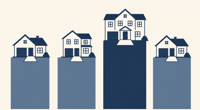
 virex |
 vexon87 |
 Audio Mania World |
 secure |


 werehere |
  problemo |
  galaxy88 |
  breezelove |
  hazelnut |
  Korean News American Blog |
  AH LALA |
  Savion |
  pintos |
  Good Good |
  oh my salami |
  Lemonade Cider Planning Director |
  Way to easy |
  American Hardcore Band |
  Dala Dala |
  Pointy |
  Springs Korea |
  nixon |