
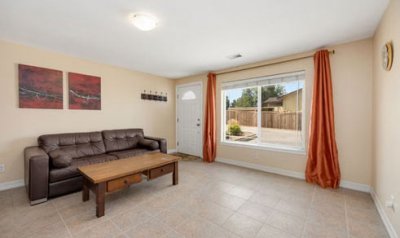
Recently, an elderly person visited our consultation office with a brochure for an active senior community. They had lived in a single-family home in the Washington DC area for over 30 years but were exploring other options due to difficulties with stairs. The concern was whether moving to a condo would truly save money.
Housing types in the DC area are primarily divided into single-family homes, townhomes, condos, and active senior communities. Active senior communities are typically for residents aged 55 and older, where the management office handles lawn care and exterior repairs. This is an attractive option for those who want to reduce physical activity after retirement.
When comparing prices side by side, the differences are significant. According to Bright MLS data from January 2026, single-family homes in DC averaged around $750,000, while condos were about $375,000. Even when looking at the entire DC Metro area, the median price for condos in spring was $385,000, compared to $850,000 for single-family homes, making condos less than half the price. Downsizing can effectively help secure retirement funds.
However, moving to a condo introduces a new fixed cost known as HOA fees. HOA fees are the management costs for residents, with the median monthly fee for condos in the DC area being around $500, which can range from $400 to over $800 depending on the building. When banks calculate loan limits, they consider these fees as debt, meaning that if the management fee is $500 per month, the potential loan amount could decrease by about $100,000.
In terms of heating and cooling costs, single-family homes are definitely at a disadvantage. The average electricity bill in the DC area is $198 per month, but in spring it can be around $90, rising to $340 in January. Pepco's standard rate is about 16.1 cents per kilowatt-hour, and Washington Gas raised its rates by 13 percent earlier this year, adding an average of $11.24 per month. It's not uncommon for winter bills to triple.
- Single-family homes - significant fluctuations in winter heating costs and full responsibility for repair costs
- Condos and townhomes - lower purchase prices, and some may include heating and cooling costs in the management fees
- Active senior communities - equipped with amenities, but additional community fees apply
Property taxes in DC are quite favorable. As of 2026, the Homestead Deduction allows for a deduction of $91,950 from the assessed value, and seniors aged 65 and older with a household income below $163,500 can receive an additional 50 percent reduction in property taxes. Additionally, seniors have a capped annual increase in assessed value at 2 percent, which is much more stable than the 10 percent cap for general households.
Active senior communities are more prevalent in areas adjacent to Maryland or Virginia than in downtown DC. Some places include landscaping and outdoor maintenance in the management fees, and sometimes even community shuttle services, which can be a practical help when driving becomes burdensome. However, some may require a separate membership fee upon moving in, so it's important to carefully review the contract. If moving from another state to DC, be aware that property tax and income tax residency rules will also change. These factors can vary greatly depending on individual circumstances, so consulting with an accountant in advance is advisable.
With the same budget, condos can reduce initial purchase burdens and heating and cooling costs, while single-family homes provide space and independence. When comparing the two options, consider not only the purchase price but also the HOA fees and tax reductions. It's difficult to predict when stairs will become a burden, but understanding the management fee structure of active senior communities or condos in advance can make the decision much easier when the time comes to move.
The market and tax information in this article is based on data from various agencies, and actual reductions may vary based on individual circumstances. It is advisable to consult with real estate and tax professionals before making any contracts. This is not investment or legal advice.
 TudariSmurf
 MACCIOOTON









 urbanmint |
 |
| 
 Premium Gas Camp |
 CA Real Estate |
 Another Eden Channel BLOG |
 Lemon EV Car |
 Washington Monument |
 El Dorado |
 washington mom |
  horse |
  moodansa 77 |
  zymit |
  maplefox |
  Fun Flex Life |
  hopeful |
  Reeno |
  Coastal city |
  meonetoo |
  Winter bear |
  Peach Jam Eating Laughter |
  Nando Raldo |
  American Man in a Mask |
  wendra |
  silver |
  bada2002 |
  horizon |
  Nanana Nanana Nanana |
  victoria jung |
  Kkikki Ppappa Shout Out Loud |