
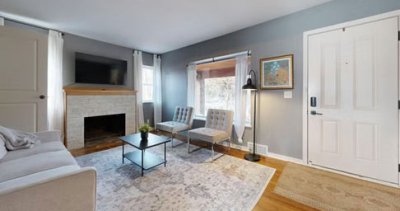
If you have the same budget, new studio apartments and spacious older one-bedroom apartments often compete in Washington, DC. Older buildings tend to have larger rooms and storage spaces, so they still hold an advantage in terms of area.
Looking at the numbers, as of July 2026, the median rent for all of Washington, DC is $2,133. Breaking it down by room size, a one-bedroom averages $2,108, while a two-bedroom is around $2,165.
When looking specifically at new constructions, the picture changes. The average rent for a newly built two-bedroom apartment is $3,128, which is nearly 44 percent higher than the median for all two-bedrooms in the city. Even with the same number of rooms, the gap between new and older constructions is significant.
On a national average, new constructions often have rents that are about 10 to 20 percent higher than older buildings. The fact that new two-bedrooms in Washington, DC are nearly 44 percent above the citywide median exceeds this national average and can be seen as a result of new supply being concentrated in specific neighborhoods.
With the same budget, new condos in the Northwest and older townhouses in the East present entirely different options. The former typically has lower maintenance fees and luxurious amenities but smaller areas, while the latter often has larger spaces and yards but requires consideration of heating and cooling costs as well as repair expenses.
There are also differences in terms of construction warranties. New buildings come with warranties on structure and facilities for a certain period, reducing concerns about major repair costs in the initial years. In contrast, older buildings no longer have such warranties, so it's safer to check recent repair histories before purchasing or signing a contract.
The background for these disparities is the recent boom in multi-family housing construction over the past few years. The increase in new supply nationwide has also reached Washington, DC, leading to certain neighborhoods being dominated by shiny new listings in the rental market. Interestingly, while the overall average rent in the city rises, there are cases where rents within the same building decrease. This is because new constructions are priced so high that they pull up the average, forcing older buildings competing with them to lower their prices.
In fact, from the perspective of older building owners, there is pressure to compete with rent discounts or move-in promotions offered by new constructions. Conversely, for tenants, choosing older buildings can mean more room for negotiation.
When comparing new and older constructions side by side, each has distinct advantages and disadvantages. New constructions typically feature the latest insulation and smart home systems, resulting in lower maintenance costs, and they come with a construction warranty for a certain period. However, it's common for new condos with well-equipped community facilities to have higher monthly HOA fees compared to older buildings.
Older buildings offer spacious layouts, established neighborhood infrastructure, and proven school conditions as strengths. However, if a building is over 20 or 30 years old, it may be approaching the time for major repairs like plumbing or roofing, which could lead to unexpected maintenance costs.
For families looking for preferred school districts, neighborhoods with a higher proportion of older buildings often have a longer-established reputation for schools. However, school district boundaries change frequently, so it's advisable to refer to GreatSchools or state education department ratings, but also to verify the assigned school for the specific address before signing a contract.
If you are moving to Washington, DC from another state, it's easy to overlook that it has a different tax structure compared to Virginia or Maryland. Property taxes, insurance rates, and rental regulations vary by jurisdiction, so it's important to check these in advance.
In summary, rather than definitively stating which is better between new and older constructions, it seems more realistic to first determine the desired area and manageable maintenance cost level, and then compare both markets based on those criteria. This article does not constitute investment or legal advice, and it is recommended to consult with professionals before making any actual contracts.
 VibeReader
 joyfulcloudwalker2001








 cheesepup |
 breezem |
 yentra |
 virex |
 vexon87 |
 Eldorado 88 |
 U.S. Weather Bureau News |
  Holey Moley |
 washington mom |
 Gleeee |
  MacMorningBlog |
  ASURA |
  Elastico |
  shaket |
  vionoo |
  chocolate |
  Whisper |
  Star Voyager |
  InDiGo |
  Rocky Mountains |
  Whoever It Is, I Don't Know |
  Why Not Me |
  Plastic Rose |
  Rice Shop Uncle BLOG |
  Victory 1988 |
  Gook Rule |
  Rowland Mama |
  Coco and Lulu |
  Baguette Blog |