
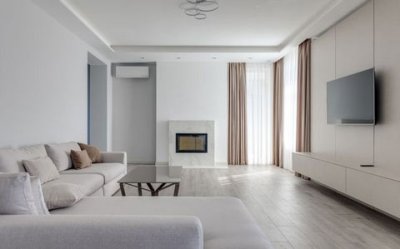
Walking through the alleys lined with brownstones and row houses in Philadelphia's historic neighborhoods, you can feel a unique atmosphere that is hard to find in new high-rises. In older neighborhoods like Rittenhouse and Northern Liberties, cafes and parks within walking distance are already established, which can be a significant advantage for families moving to the city for the first time.
According to average-rent.com, as of July 2026, the average rent in Philadelphia is $2,658, with one-bedroom apartments at $2,071 and two-bedrooms at $2,974. In Center City, one-bedroom rents can range from $2,098 to $3,871 depending on the location. Newly constructed and renovated units tend to be closer to the higher end of this range.
Philadelphia has seen a slowdown in construction due to tax incentive programs, but development is picking up again in 2026. Harper Square, set to be built in Rittenhouse, is expected to become the tallest rental building in the city, and the Piazza Alta expansion project in Northern Liberties is also underway after securing funding.
New developments benefit from the latest insulation and smart home features, resulting in relatively lower heating and cooling costs, and they come with construction warranties, reducing concerns about initial defects. However, complexes with amenities like pools, rooftop lounges, and concierge services tend to have higher HOA or management fees, so it's important to consider these costs along with rent.
Older buildings allow for more spacious living within the same budget and offer the charm of established landscaping and neighborhood ambiance. However, in a city like Philadelphia with many older buildings, plumbing, roofing, and electrical wiring may be nearing repair time, so it's wise to check recent remodeling history before signing a lease.
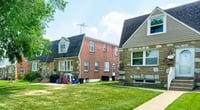
Philadelphia's unique row houses often share walls with neighboring homes, which can lead to varying soundproofing and moisture issues between units. When viewing older row houses, it's advisable to check for basement moisture and plumbing conditions. Conversely, new condominiums are generally independent structures, reducing these concerns, but taller buildings may introduce new variables like elevator wait times and noise from common areas.
For families looking for good school districts, it's helpful to refer to ratings from GreatSchools or Niche, but school district boundaries can change frequently, so it's best to verify the assigned school for the specific address before signing a lease. Families moving from New York or New Jersey should also consider that Pennsylvania's property tax system may differ from their previous residence. For investors looking for rental income, new constructions have lower vacancy risks but higher purchase prices, while older buildings have lower purchase prices but may require repair costs. Philadelphia has operated a tax incentive program for new constructions for some time, but the applicability and remaining duration of these incentives can vary by property, so it's essential to check this if considering a purchase.
Older neighborhoods like Fairmount and South Philly feature a dense layout that allows easy walking access to grocery stores, schools, and parks. This walkable lifestyle is particularly beneficial for families with no car or just one vehicle, and it often resembles the living radius familiar to immigrant families, making it comfortable for those settling in initially. Most new developments are located on the outskirts of these older neighborhoods or in riverfront development areas, which may be farther from walkable amenities.
Philadelphia's public transportation network, SEPTA, connects the city extensively, making the distance to subway or commuter train stations a more critical factor for families commuting without a car than whether a property is new or old. Older neighborhoods often already have prime locations near stations, so families who frequently use public transport may want to focus on older properties near transit hubs.
In summary, new constructions emphasize convenience and modern amenities, while older buildings highlight charm and spaciousness. This article is not investment or legal advice, and it's recommended to review specific conditions with a professional before signing a lease.
 Sleazy60Min
 RVSamuelJ







 cheesepup |
 breezem |
 yentra |
 virex |
 vexon87 |
 DelphiaMo |
 American General Knowledge Expert |
 Texas Migration Story |

 Good World Good Thoughts |
  Whisper |
  Star Voyager |
  InDiGo |
  Rocky Mountains |
  Whoever It Is, I Don't Know |
  Why Not Me |
  Plastic Rose |
  Rice Shop Uncle BLOG |
  Victory 1988 |
  Gook Rule |
  Rowland Mama |
  Coco and Lulu |
  Baguette Blog |
  washington mom |
  yorvik12 |
  solvix18 |
  HVAC will prosper |
  mortrix |
  Panorama Kstar |
  MAX009 BLOG |