
If you're an investor looking to earn rental income in Baltimore, it's important to note that cap rates can vary significantly depending on the neighborhood you choose. The Hampden area has a median price for row houses ranging from $190,000 to $250,000 as of 2026, with 2-bedroom rents averaging between $1,400 and $1,750, leading to an estimated cap rate of 7% to 9%. In contrast, Canton has a higher median price of $310,000 to $380,000, but rents are only between $1,750 and $2,100, resulting in a lower cap rate of 4.5% to 5.5%. Even within Baltimore, the difference in purchase price and rental rates can lead to nearly a 50% variation in returns. Cap rates are generally known to range between 4% and 10% depending on the market (biggerpockets.com), and this is a clear example of how neighborhood choice can affect those figures.
It's also essential to look at the overall city metrics. According to Houzeo, Baltimore's median sale price is $285,000, which is an 11.76% increase from the previous year. When looking specifically at Baltimore City, the median price is $240,000, reflecting a 9.1% increase, indicating that the entry barrier remains relatively low. In contrast, Baltimore County has a median price of $378,000 over the last three months, with only a 3.7% increase, showing that the price growth rates differ between the city and the county.
Properties are receiving an average of two offers and are selling in about 67 days. This means it takes over two months to sell, giving buyers more time compared to a market where properties sell within 20 to 30 days. The average rent across the city is $1,495, which is a modest 1.2% increase from the previous year, indicating that rent growth is slower compared to the rise in sale prices.
The biggest variable that will influence the regional outlook is the Baltimore Peninsula project, which is redeveloping the Port Covington area. This $5.5 billion development will create office space, housing, and parks on a 230-acre site in South Baltimore, and it is expected to attract between 10,000 and 14,000 new residents upon completion. While Baltimore's overall population is still projected to be 3.0% lower than in 2020 by 2025, it is noteworthy that there was a net increase of 754 people in 2024, marking the first growth in a decade.
For families prioritizing school districts, public school ratings in the county often come out higher than those in Baltimore City. However, since school district boundaries frequently change, it's advisable to verify the assigned school for a specific address before making a purchase. Families considering both living and investment options may choose to reside in a county with good schools while investing in a city area with high rental yields.
From an investor's perspective, it's important to consider that neighborhoods with higher cap rates may have older buildings, which can lead to increased maintenance costs and vacancy risks. Rather than deciding to purchase based solely on cap rates, it's essential to evaluate actual management costs, the potential for property tax reassessment, and cash-on-cash returns that account for vacancy periods. Property tax and rental laws in Maryland can vary by county, so it's crucial to check local regulations before purchasing. With the average 30-year fixed mortgage rate hovering around 6.6% (as of July 2026, Freddie Mac), even properties with high cap rates may yield lower cash flow than expected depending on loan conditions.
Baltimore is a market where the return structure varies distinctly by neighborhood, with strategies focusing on low-cost purchases for high cap rates and long-term holds based on redevelopment opportunities both being viable. This is not investment or legal advice, and consulting with a professional before any actual contracts is recommended.
 CocoChute
 CrispyDetect






 cheesepup |
 breezem |
 yentra |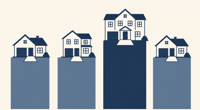
 virex |
 vexon87 |
 peachpanda |
 frostpup |
 foxtrot83 |
 maryland park |
  problemo |
  galaxy88 |
  breezelove |
  Minnesota Sonata N |
  hazelnut |
  Korean News American Blog |
  AH LALA |
  Savion |
  pintos |
  Good Good |
  oh my salami |
  Lemonade Cider Planning Director |
  Way to easy |
  American Hardcore Band |
  Dala Dala |
  Pointy |
  Springs Korea |
  nixon |
  mini hometown |