

When I first came here, there were so many things I didn't know.
I remember later thinking, why didn't anyone tell me these things in advance? So today, I will share what you need to prepare when moving to Hartford based on my own experiences. Reading in order will be somewhat helpful.
The first thing you need to do is to convert your driver's license. If you are going to live in Connecticut, you need to obtain a Connecticut state license. If you hold a license from another state, you must convert it to a Connecticut license within a certain period, and if you are getting a new one, you need to pass both the written and driving tests. Hold on! Living in the suburbs without a car is really inconvenient, so resolving this is the start of settling in. After obtaining your license, you need to register your vehicle in Connecticut, and keep in mind that vehicle registration fees and annual property taxes will apply. Many people find it surprising that property tax is applied to cars.
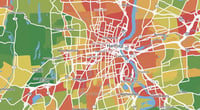
Choosing a place to live is something you should do very carefully. Suburban areas like West Hartford, Glastonbury, Avon, and Newington are preferred over downtown Hartford in terms of school districts and safety. When looking for a rental, you should thoroughly check the lease agreement details, whether utilities are included, and the pet policy. Connecticut's electricity rates are relatively high, so whether the contract includes utilities can make a significant difference in actual expenses.
Signing up for health insurance should also be handled promptly after moving. If you have employer-sponsored health insurance, make sure you don't miss the enrollment period, and if you don't, you can sign up for individual insurance through the Connecticut health insurance exchange (Access Health CT). Depending on your income level, you may also qualify for Medicaid or subsidy benefits.
Registering your children for school can be done by directly contacting the local school district or applying online after you have confirmed your residence. Each school district may require different documents, and often medical records such as vaccination records are needed. It's also helpful to look into Korean educational institutions like the Connecticut Korean School for your children's education.
Connecting with the local community network quickly is also important. Contacting the Connecticut Korean Association or local Korean churches to get settling-in information can be much more helpful than you might think. Practical information from those who have settled in first, such as which grocery store is good, which doctor speaks Korean, and which neighborhoods are nice to live in, plays a crucial role in early adaptation.
Finally, prepare for Connecticut winters. This area receives over 38 inches of snow annually. You will need thick winter clothing, winter boots, vehicle snow tires, and shovels or snow blowers for clearing your driveway or yard. Many people are caught off guard by the snow during their first winter. I remember my back going out while shoveling snow during my first winter. Being prepared in advance makes it much easier.
 WasabiStormLb
 MariahCarry





 novapixel |
 UNI Lover |
 NE Hodori Preik |
 parlon |
 Ohio Ohayoung Hello |
 US Home Buying Information Home Insurance |

 Hartford Blog |
 Tilt Cicy |
 Lime Juice |
 Idaho's Sumi's House |
  Mr. Midwest America |
  wildfire |
  legalway |
  postcard |
  cheesecake07 |
  My Miami Stories |
  windylotus |
  Mia Flori |
  velaro29 |
  velaro |
  foxtrot83 |
  moname |
  mapleline |
  US Legal Consultation on Trials |
  Karina's Blog |
  California Dreamer |
  Choco Mint Creator |