
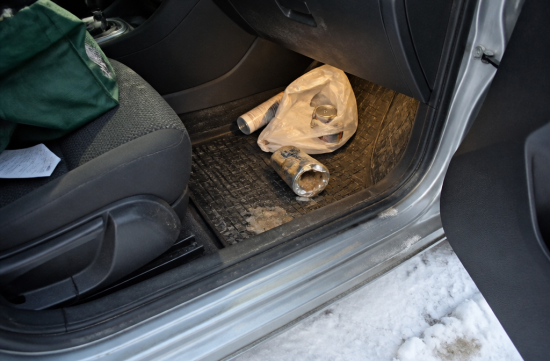
Last week, when I opened the car door, the passenger floor was sticky, and I stood there for a while. A can of soda I bought at the store the day before had frozen overnight, causing it to burst.
Even though I've spent several winters in this neighborhood, I made this mistake again. So today, I'll summarize the items that should not be left in a car when temperatures drop below freezing.
The first item is, of course, canned beverages. When water freezes, it expands, and a sealed can has no space to accommodate that expansion.
Sodas and beers have slightly lower freezing points than pure water due to sugars and alcohol. However, that doesn't mean they are safe; if the temperature drops significantly overnight, they will eventually freeze and burst.
Glass bottles are even more troublesome. Cans may tear and end there, but broken glass pieces from bottles can get lodged between the seats.
Some people may buy wine or soju as gifts and keep them in the trunk for a few days, which carries the same risk. With the year-end gift season approaching, this is something to be more mindful of.
Canned goods are similar. The USDA FSIS warns that cans can bulge if they freeze.
If a can is bulging or the seams are split, it's better to throw it away than to eat it, even if it seems wasteful. If you have canned goods in your trunk for donation to a food bank, move them inside your home tonight.
The second item is spray products. Not car window cleaners, but aerosol cans.
Various local news safety advisories warn that aerosol cans can crack or explode in a freezing car. Many people keep anti-fog sprays, air fresheners, and lubricants in their glove compartments.
If they burst, the contents will spray all over the ceiling and seats. Considering the cost of cleaning at a car wash, this mistake can end up being much more expensive than the price of a single spray can.
The third item is smartphones and tablets. Apple recommends using iPhones between 32°F and 95°F.
The storage temperature range is broader, down to 24°F. However, it's not uncommon for winter nights to drop below this threshold.
Exposure to cold can cause the battery to suddenly drop or the device to shut off. Most of the time, they recover if placed in a warm area, but there's no reason to test that. The same goes for older phones kept in the car for emergencies; if they don't turn on when needed, they're useless.
Charging is another concern. The battery industry commonly states that charging lithium-ion batteries in freezing temperatures can cause internal damage.
So, it's best to avoid the habit of plugging in a frozen phone as soon as you get in the car. Jump starters and cordless tool batteries follow the same principle, so keep them inside and warm before charging.
The fourth item is medications. This is something that should not be taken lightly.
The American Diabetes Association (ADA) and the manufacturer Eli Lilly advise against using insulin that has been frozen, even if it thaws. Just because it thaws doesn't mean it regains its effectiveness.
Other medications can also have their effectiveness altered by temperature. If you've been keeping medications in your car, it's best to consult with a doctor or pharmacist about whether they are still safe to use.
The fifth item is glasses and musical instruments. Eyeglass lenses or frames can weaken in the cold, and wooden instruments can crack.
There are likely families who put violins or guitars in the trunk after their kids' school band practice. Considering the cost of instrument repairs, it's worth the few steps to bring them inside.
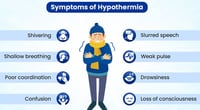
And lastly, the most important consideration is not items but people and pets. Children, the elderly, and dogs are all at risk of hypothermia in the cold, regardless of size, as emphasized by various safety advisories.
Thinking, "I'll just be a minute while I run to the store, it'll be fine," is the most dangerous mindset. A car that's turned off cools down faster than you might think.
To summarize: bring liquids inside, leave sprays at home, warm up phones and batteries before charging, and never leave medications in the car.
It may seem trivial, but since these are habits we repeat daily, it's convenient to establish a routine. Especially on days when forecasts predict a significant drop in temperature overnight, I recommend checking the trunk before heading inside.
That's why I've hung a shopping basket next to my front door, so when I get out of the car, I can gather drinks and medications and bring them inside. It's a change from the habit I had in the 90s of always grabbing my Kim Gun-mo cassette tape when getting out of the car.
One last note: this discussion is based on the perspective of those with homes.
For neighbors who have to sleep in their cars during winter, a burst can is not just a problem; it's a matter of life and death. I believe that public services for winter shelters and heating support should receive more tax funding, though you don't have to agree.
Have you ever left something in your car and faced consequences? Feel free to share your counterarguments or experiences in the comments.
 ThreeChicken
 TomatoGym








 Noodle Noodle |
 figtop |

 Toaster Pizza Magic Show |
 DO Main TODAY |
 Caribbean |

 Sunny's Travel in America |

 AL ALASKA |


 US Home Buying Information Home Insurance |

 Alaska Salmon Buyer |
 strawberry |
 US Regional Information Local News |
 USA Business News |
 Blondee |
 E whisper |
 Potato House |
 freshmint |
 Ansaso |
 Golado |
 babybay |
 honeycom |
 French Macarons |
 Exploring American Life Information |
 Sunshine Blog |
 Community Cross |
 Sayonara H |
 What can make money? |
 Information Search LifeMAN |
 morvex37 |
 neontrail |