

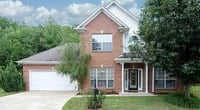
When looking at homes in Ann Arbor, it's common to meet families who make a decision at an open house. Recently, one family I consulted was eager to sign a contract on a beautiful home with a yard near the University of Michigan. They felt pressured by the good school district and the fear that they might not find another property like this one. It's understandable to feel overwhelmed in such moments. When you find a property in a desirable school district, with a neighborhood you like, and a reasonable commute, it's easy to get swept away. However, making a decision worth hundreds of thousands of dollars based solely on emotion is a different matter.
Looking at the housing market in Ann Arbor, you can see why this urgency arises. According to Zillow (2026), the average home value in Ann Arbor is around $489,157, and the time it takes for a property to move from listing to contract is about 7 days on average, which is very short. In simple terms, this means that when you find a home you like, you often have to make a decision within a few days. That said, skipping over long-term living plans, commute distances, and future resale demand when making a decision is another issue. The school district near the University of Michigan consistently receives high ratings from GreatSchools, but school district boundaries can vary by address, so it's advisable to check the assigned school before signing a contract. For families who have just moved from Korea, the fact that school assignments are determined by boundaries rather than distance may feel unfamiliar, and there are cases where the assigned school can change completely with just a few blocks of difference.
One aspect that is often overlooked when rushing due to emotion is budgeting. Many people think they can afford a mortgage payment based solely on the principal and interest, only to feel the burden after adding property taxes and insurance. The average effective property tax rate in Michigan is about 1.28%, which is higher than the national average (around 0.91%), and there are reports that the annual property tax burden for a home valued at $217,600 is close to $2,900. In areas like Ann Arbor, where the average home price significantly exceeds the national average, this ratio compounds, leading to a greater perceived burden. For families relocating from other states, this is why budgeting based on property tax expectations from their previous residence can be misleading. Especially for those moving from states with lower property taxes, they may find themselves needing to adjust their monthly budget after receiving a property tax bill, thinking they had enough room based on just the mortgage payment.
Rushing into a contract can also lead to waiving home inspection contingencies. In a market where properties are selling within days, making an offer without an inspection condition may seem competitive, but there are real cases where unexpected repair costs arise from hidden issues like roofs or plumbing. Particularly in neighborhoods with older homes like Ann Arbor, even if the exterior looks neat, the internal wiring or insulation may be outdated for the age of the house. The more urgent you feel, the more important it is to prioritize the inspection.
Making large purchases right before signing a contract is another common oversight. If you buy furniture or a vehicle after your offer is accepted, it can affect your credit score and debt-to-income ratio, potentially worsening your loan terms at the last minute. It's advisable to keep spending as conservative as possible until after closing. While it's understandable to want to buy furniture for your new home in advance, it's safer to wait until after signing the closing documents.
Ultimately, when searching for a home in Ann Arbor, it's important to develop the habit of separating the initial impression of the house from the realistic calculations for the years to come. Decisions driven by emotion aren't necessarily bad, but going through the process of double-checking with numbers afterward can help reduce regrets. This article is not investment or legal advice, and it's recommended to consult with real estate and mortgage professionals before finalizing any contracts.
 UrbanValley86
 WinterCreate






 |
| 
 Premium Gas Camp |
 CA Real Estate |
 cheesepup |
 breezem |
 crumb |
 InDiGo |
 marydock |

 Love Michigan |
  Granola |
  joyfull yang |
  Olivia's Blog |
  Living in America and Writing Essays |
  Piano Teacher Blog |
  bearcup |
  explorer |
  dictionary |
  Mr Bull Jung |
  radiant |
  Georgia 88 |
  Great TOWN NEWS |
  Open Flex Mind |
  Hartford Blog |
  unified |
  Generation X |
  ringwinds |
  American Food Information & Calories |
  Hawaii Maui Kahului |
  calvorn |