

Following a family looking for rental properties with a budget around $200,000 reveals several helpful points. Initially, they assumed a steady monthly rental income, but in reality, there were gaps of several weeks between tenants, resulting in a lower-than-expected return on investment.
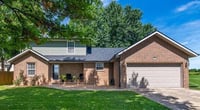
According to RentCafe, the average rent in Springfield is projected to be $1,113 per month in 2026, and the Zillow home value index is about $224,619. Dividing the annual rental income of $13,356 by the purchase price gives a total return of about 5.9 percent. This figure is favorable. The purchase price relative to rent is low, making it a market with a relatively high total return within Missouri.
However, there are also unfavorable aspects to consider. This calculation assumes that the property is rented out without vacancy for the entire year. Applying Missouri's average effective property tax rate of 0.89 percent results in an annual property tax of about $1,999, and if we account for operating expenses at 50 percent, the net operating income drops to $6,678, bringing the cap rate down to around 3.0 percent. If we separately factor in vacancy losses, the cap rate decreases further. Assuming a vacancy of two weeks to a month each time a tenant changes, the annual rental income itself decreases.
When considering cash-on-cash return, the favorable and unfavorable aspects intersect again. If a loan is taken out and only part of the purchase price is paid in cash, the return on the cash invested can be higher than the cap rate due to leverage. However, if vacancies extend, loan principal and interest payments continue while rental income may stop, making cash flow more sensitive. This can be a burden.
According to the 1 percent rule, the rent should be $2,246 per month, which is 1 percent of the purchase price, but the actual rent is lower than this. Ultimately, whether or not to include the vacancy rate from the start becomes a variable that affects the total return. A balanced approach seems to involve considering monthly cash flow, property value appreciation, and asset accumulation from loan principal repayment.
In Springfield, RentCafe reports that rents have increased by 2.6 percent over the past year. As a central city in the Ozarks with steady jobs related to hospitals and universities, rental demand is relatively stable. However, when purchase prices are low, competition for listings can become fierce during times when investors flock to the market. Both favorable and unfavorable aspects operate here as well.
For families moving from other states, Missouri's low property tax rate may be welcome, but it's also good to know that local school district budgets and public service funding do not rely solely on property taxes. Insurance rates may be somewhat higher than in other Midwestern cities due to a history of tornadoes and hail damage, so it's wise to get actual quotes in advance and factor them into operating costs.
Looking at the trend of rising purchase prices adds another favorable aspect. According to Zillow, Springfield home values have increased by 3.2 percent over the past year, which is higher than other cities discussed in this article. Even if the cap rate is low at around 3.0 percent, if this level of price appreciation and loan principal repayment accumulates, the total return looks better. Of course, there are also unfavorable aspects. If vacancy periods extend or maintenance costs exceed expectations, this favorable trend can be offset, so keeping both scenarios open for consideration is a balanced approach. For example, if we assume a 20 percent down payment, about $44,924, which is 20 percent of the purchase price of $224,619, becomes the actual cash invested. Dividing the pre-tax cash flow, adjusted for vacancy losses and loan principal, by this cash investment yields the cash-on-cash return, which becomes more sensitive as vacancy periods lengthen.
Property tax rates and vacancy rates can vary based on location and property condition, so please verify against actual listings. This article is not investment or legal advice, and consulting with a real estate professional and accountant before any actual contracts is recommended.
 WaveMedia
 HappyChicken







 |
| 
 Premium Gas Camp |
 CA Real Estate |
 cheesepup |
 breezem |
 moname |
 ramen |

 calvor |
 shadow 007 |
  sun walker |
  Choco Choco Star |
  midnight blue |
  honeypot |
  summer |
  adventure77 |
  flexible |
  Shintongbangtong Shin Naerin James Park |
  truepixel |
  Kathy's Blog |
  Hae Naem |
  quatspace |
  Marisol |
  Glassroom |
  Granola |
  joyfull yang |
  Olivia's Blog |
  Living in America and Writing Essays |
  Piano Teacher Blog |