
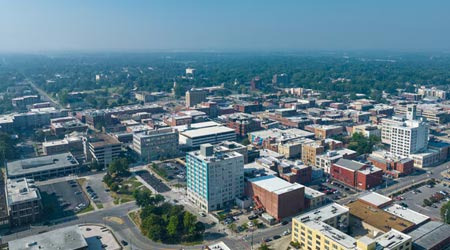
Springfield, MO is located on the eastern edge of the United States' "Tornado Alley," exposing it to various natural disaster risks, including tornadoes, severe thunderstorms, flooding, and winter snow and ice. This article outlines the types of natural disasters that residents and those considering moving should be aware of, along with preparedness information.
Tornado: Missouri experiences an average of 30 to 40 tornadoes each year, and Greene County, where Springfield is located, along with the nearby Ozarks, is often included in tornado paths. A notable case occurred in May 2003 when an F-3 tornado struck Springfield, and in 2012, an EF-2 tornado caused significant property damage near Springfield. The tornado season typically runs from March to June, but tornadoes can also occur in the fall (October to November) in Missouri. The National Weather Service (NWS) Springfield office provides immediate alerts through the Weather Radio and Wireless Emergency Alerts on smartphones when a tornado warning is issued. If you do not have a basement, the safest places to take shelter are bathrooms, hallways, or interior spaces surrounded by walls.
Severe Thunderstorm: Strong thunderstorms are common in Springfield throughout the spring and summer. These storms, which can bring hail, strong winds, and lightning, can cause vehicle damage, power outages, and fallen trees. There have been reports of baseball-sized hail in the Springfield area between 2023 and 2024. It is important to check if your comprehensive auto insurance covers hail damage.
Flood: Springfield is prone to flooding, particularly in low-lying areas around Jordan Creek and Springfield Creek during heavy rainfall. According to FEMA's Flood Insurance Rate Map (FIRM), some areas of Springfield are designated as Special Flood Hazard Areas, which are at risk of a 100-year flood. It is strongly recommended to check the flood risk rating of any address on FEMA's Flood Map Service Center (msc.fema.gov) before renting or purchasing a home. If you live in a flood risk area, consider obtaining Flood Insurance (NFIP).
Winter Storm: Winters in Springfield can be more dangerous due to freezing rain and ice storms than snow. Ice storms can quickly turn roads into ice, leading to traffic accidents and downed power lines. A major winter storm in February 2021 caused severe power outages and traffic paralysis across southern Missouri, including Springfield. During winter, it is important to keep an ice scraper, sand or salt, and emergency blankets in your vehicle, and to check real-time road conditions through the MoDOT app or website.
Earthquake: Missouri is located over the New Madrid Seismic Zone (NMSZ), which poses a potential risk for large earthquakes. While Springfield is somewhat distanced from the direct impact zone of this fault, scientists warn that a magnitude 7.0 or greater earthquake in the NMSZ could affect the entire state of Missouri. It is advisable to take basic earthquake preparedness measures, such as reinforcing building structures, securing furniture, and stocking emergency supplies.
The key to disaster preparedness in Springfield is effectively utilizing early warning systems. Registering for NOAA Weather Radio, smartphone weather apps (Weather.gov, RadarScope), and alerts from the Greene County Emergency Management can facilitate quick responses in the event of a disaster.
 Chickumentary
 LeeMuSong







 Premium Gas Camp |
 CA Real Estate |
 cheesepup |
 breezem |
 yentra |
 moname |
 ramen |
 menmo |

 Lime Juice |
  French fries |
  Rynex |
  Caribbean |
  Let's Be Like a Salt-like City Person |
  Belgray Miscellany |
  sweetvan |
  Augusta Univ |
  Round and Round Children's Song Kingdom |
  butter 90 |
  Lando Mao |
  Washington Denzel DJ |
  LIZ Legal Information Blog |
  vegas mom |
  Sandiego Auntie |
  Things to know |
  TEXAS Fishing Boat |
  AUTO OK |
  aaoaa |