
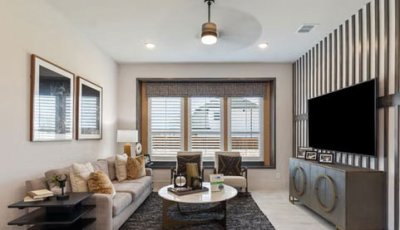
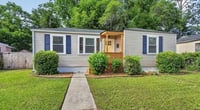
When looking at parking issues in Savannah, it's clear that the differences between new and established buildings stem from the urban structure itself. Buildings closer to historic districts often lack dedicated parking spaces or rely heavily on street parking, while newly constructed complexes on the outskirts typically offer ample parking per unit. This is an advantage for new constructions, but the walkable neighborhood atmosphere unique to historic districts can be a strong point for established buildings.
The average rent in Savannah as of July 2026 is $1,705, down 0.74 percent from $1,717 the previous year. For specific units, studios average 481 square feet at $1,534, one-bedrooms are 742 square feet at $1,547, two-bedrooms are 1,049 square feet at $1,706, and three-bedrooms are 1,334 square feet at $1,980. About 45 percent of all rentals fall between $1,501 and $2,000.
There are also clear differences in amenities. New complexes often feature swimming pools, gyms, co-working spaces, and dog parks, and the more amenities available, the higher the HOA fees tend to be compared to established buildings. Established buildings may have simpler facilities but lower management fees, and their mature landscaping with plenty of tree shade is also considered a benefit.
When it comes to heating and cooling costs, it's important to consider both the advantages and potential burdens. New constructions tend to have better insulation and energy-efficient systems, leading to lower cooling costs in the summer, and they often come with warranties from the builders, reducing the risk of equipment failures. In contrast, established buildings may face unexpected repair costs as their heating and cooling systems reach the end of their lifespan.
The humid climate unique to the Georgia coast is another variable. In high-humidity environments, the wood and windows of established buildings tend to age more quickly, so it's advisable to carefully check for signs of mold or leaks before signing a lease. New constructions often follow the latest moisture-proofing standards, providing more peace of mind in this regard.
Neighborhoods that Korean families in Savannah are particularly interested in include the Islands area and near Foxborough, where the differences in rent between new and established buildings are less pronounced in areas with good school ratings. Since school district boundaries change frequently, it's a good idea to verify the assigned school for a given address on GreatSchools or Niche before signing a lease.
For families moving from out of state, it's also wise to consider that Georgia's property tax and insurance systems may differ from their previous residence. The Homestead Exemption varies by county, so simply comparing it to the previous state may overlook important details.
Due to its nature as a tourist city, Savannah has a mix of short-term rental demand and long-term rental demand. There is a trend where established buildings near historic districts are increasingly being converted to short-term rentals, leading to a decrease in available long-term rental options. For families planning to stay long-term, it's safe to check with the landlord about any plans to convert to short-term rentals.
As job opportunities in the port and logistics industries increase, there is also a trend of demand shifting to new complexes on the outskirts. Families prioritizing commuting distance tend to choose new constructions on the outskirts, while those valuing walkability and a historic atmosphere often prefer established buildings in the city center.
Insurance rates also reflect regional characteristics. Savannah, being a coastal city, generally has higher insurance rates due to hurricane season compared to inland cities in Georgia. New constructions may qualify for insurance discounts due to the latest wind-resistance construction standards, while established buildings may face varying insurance conditions based on the reinforcement of roofs or windows.
Ultimately, if you desire a walkable atmosphere and expansive landscaping, established buildings are advantageous, while new constructions are better for ample parking and reduced management costs. This article does not constitute investment or legal advice, and consulting with a professional before signing a lease is recommended.
 GreenBulgogi
 MorningStar80






 cheesepup |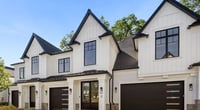
 breezem |
 yentra |
 virex |
 vexon87 |
 bravo777 |

 Bearded Strawberry Smoothie |
 InJung Gu |
 Sunny Mom |
  Gleeee |
  MacMorningBlog |
  ASURA |
  Elastico |
  shaket |
  vionoo |
  chocolate |
  Whisper |
  Star Voyager |
  InDiGo |
  Rocky Mountains |
  Whoever It Is, I Don't Know |
  Why Not Me |
  Plastic Rose |
  Rice Shop Uncle BLOG |
  Victory 1988 |
  Gook Rule |
  Rowland Mama |
  Coco and Lulu |
  Baguette Blog |