
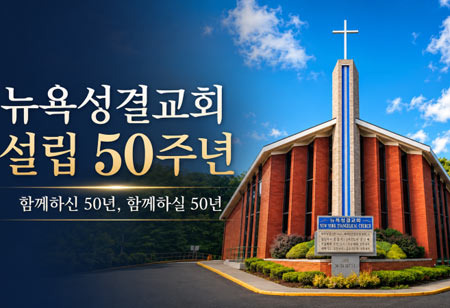
When you visit neighborhoods in New York with a large Korean population, you'll find that there are actually many Korean churches.
While it might be easy to think of just Presbyterian or Methodist churches, there are actually quite a few different types of churches, including Baptist, Full Gospel, Holiness, Anglican, and Lutheran. There are also churches that operate independently and are not affiliated with any denomination.
In particular, if you visit areas like Flushing or Bayside, you can easily notice this. Just a few blocks in the car will reveal another church sign in Korean. Given the long history of Korean people settling in these areas, the churches have naturally grown alongside the community.
You can also find Holiness churches in New York. These churches continue the Holiness tradition that started in Korea, emphasizing word-centered worship and personal faith. For those who are new to the U.S., it might be unclear what the difference is between Presbyterian and Holiness churches, but simply put, while they share the broader framework of Christianity, there are slight differences in church governance and faith traditions.
In New York, you can also encounter religious organizations that started in Korea and expanded overseas. A notable example is the World Mission Society Church of God, known as 하나님의교회. It is active in New York and various regions across the U.S. However, there are significant differences in core doctrines compared to traditional Protestant denominations, and mainstream Christianity views this organization differently. Therefore, for those visiting a church for the first time, it's advisable to check what doctrines are believed there rather than judging solely by the name.
Recently, I have been intrigued by the rise of independent churches. These churches operate on their own without being affiliated with a specific denomination, and some cater to younger generations by using both Korean and English. Their worship styles and praise may differ slightly from traditional Korean churches, and some aim to be multicultural, welcoming not only Koreans but also other Asians and Americans. I see this as a change that aligns well with the character of New York City.
In fact, for immigrants, churches were not just places to worship on Sundays. For the first generation of immigrants who were not familiar with English, they also served as sources of information about life in America. There were times when people would ask church members about which hospitals were good, where to find decent schools for their kids, how to look for jobs, and even how to find a place to live or a moving company.
Now, with the internet and smartphones, things have changed a lot, but the role of churches as spaces for meeting people still remains. For someone who has just arrived in the U.S. without family or friends, these human connections can be surprisingly helpful.
Ultimately, to understand Korean churches in New York, it's not enough to look at religion alone. Whether it's Presbyterian, Methodist, Holiness, or independent churches, for decades, Korean churches have been spaces where immigrants meet, share information, and establish roots in American life. While their appearances may change with generations, I believe that they still play a significant role in the Korean community in New York.
 AliAluAlo
 ThreeChicken


 yentra |
 Cali M Law Group |
 quanta7 |
 Helpful Life Stories |
 wendra |
 newyorker 101 |
 Things to Do to Buy a House |
 Lunch and Dinner Mexican Taco |
 U.S. Weather Bureau News |
 Living in America and Writing Essays |
  draxen |
  gallery |
  milkyotter |
  Zoom Zoom Zoom |
  Minnesota Lakes and Clouds |
  noraro |
  tervox95 |
  vale vale |
  Golden life |
  andrew park |
  Peter Pan Pet |
  Balan |
  neroyo |
  Dreams Come True as Desired |
  Khan Film Blog Production |
  coloradoman |
  Living Economy Information Blog |
  rustley |